

Designing a Backyard Fire Pit Area for Minneapolis Evenings
Fire pits fail when placement is wrong. Build one in a bad spot, and it becomes yard decoration nobody touches. Location determines everything: whether smoke chokes your guests, whether anyone bothers walking over, whether the space feels worth using. You need access that's simple, safety that's real, and a setup that makes people want to stay outside.
- Distance from structures matters. Fences, garages, anything flammable—keep the fire pit far away.
- Visibility from inside the house wins. When you can see the fire pit from your kitchen or living room, you'll actually use it. Weather changes fast, and so do snack runs.
- Walking paths need space. Squeezing between chairs or stumbling over pavers in the dark kills the vibe.
- Point the seating toward something worth looking at. Garden beds, water features, skyline views—whatever makes your yard yours.
- Flat ground isn't optional. Wobbly chairs and uneven surfaces make the whole area feel half-done.
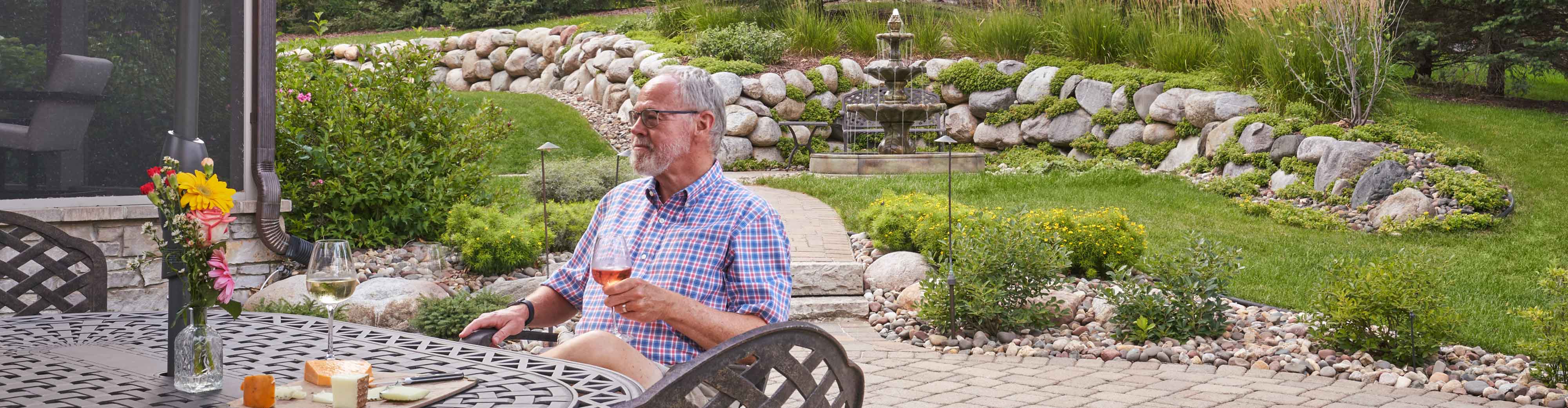
Where you put the fire pit shapes how people use your entire backyard. Treat it like an afterthought, and it sits empty. Make it the anchor, and it becomes the reason people come outside. The Backyard Getaway project proves what happens when a fire feature actually pulls a yard together.
Seating That Actually Works
Comfort determines whether people gather or scatter. The seating layout either makes your fire pit the center of everything or turns it into a place people avoid. Curved benches create intimacy. Built-in walls feel permanent. Movable chairs adapt to crowds or quiet nights. The best arrangements let people relax, talk, and stay warm without thinking about it.
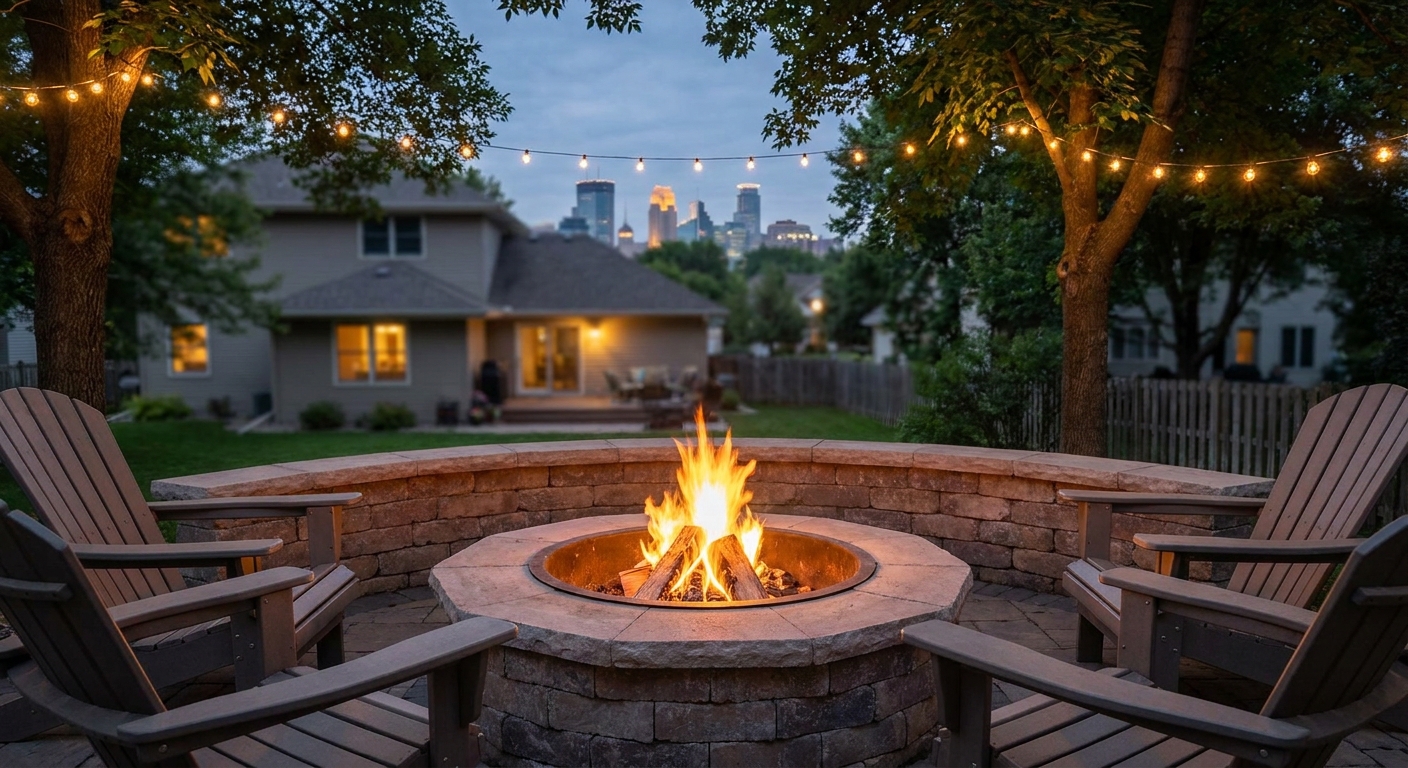
- Curved seating or stone walls wrap the fire, so every spot feels like the right spot.
- Movable chairs adjust for group size and wind direction.
- Mix materials—stone, wood, metal—to add depth and avoid monotony.
- Side tables and ledges matter. People need somewhere to put drinks, food, or marshmallow sticks.
- Distance from the fire has to be right. Too close roasts shins. Too far feels disconnected.
Seating isn't about fitting bodies. It's about creating connection. The right setup turns your backyard into an outdoor living room people don't want to leave. For more on making this work, check out the patios and walkways that pair with fire features and make gatherings effortless.
Materials That Survive Minneapolis
Minneapolis weather destroys shortcuts. Summer heat, winter freeze, spring storms—everything gets tested. Fire pits built with weak materials crack, shift, or look beat up after one season. The right materials hold up year after year. Stone, heat-resistant pavers, and weatherproof seating keep the area sharp and solid.
- Natural stone handles heat and cold without fading or chipping.
- Concrete pavers resist cracking and shifting through brutal winters.
- Metal accents add character and don't rot or warp.
- Weatherproof fabrics mean you're not hauling cushions inside every time it rains.
Cheap materials mean replacing pieces every spring. Quality materials mean the fire pit becomes a permanent part of your home. For details on what actually works, our fire features service page breaks down the best choices for Minneapolis yards.
Wind and Smoke Management
Smoke in your face ruins everything. Minneapolis gets windy evenings. Before you build anything, watch how wind moves through your yard. Position the fire pit so smoke drifts away from seats and the house. A few feet in the right direction changes the entire experience.
- Test wind patterns with a candle or incense stick before you commit to a location.
- Use fences, shrubs, or seat walls to block gusts without trapping smoke.
- Leave the downwind side open for airflow.
Ignore wind, and every night becomes a smoky disaster. Plan ahead, and every evening feels comfortable. For more on shaping your yard for comfort, our landscape architecture resources show you how to read your space correctly.
Lighting That Extends the Night
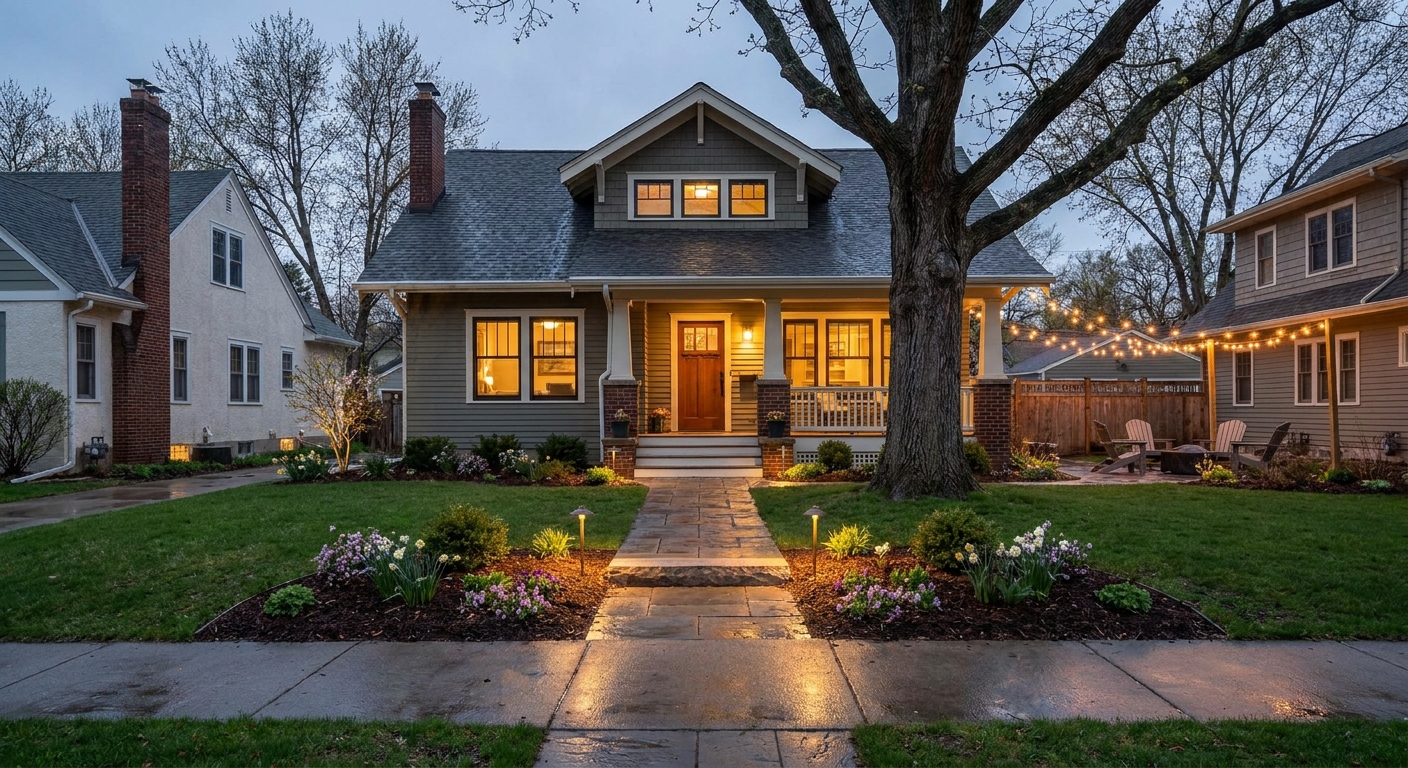
Firelight creates mood, but it doesn't light the yard. Layered lighting keeps things going after dark. Path lights guide people safely. Uplights on trees add drama. Subtle fixtures in seat walls or steps prevent trips and falls. The right lighting makes the fire pit area feel complete and inviting, not just a dark corner.
- Low-voltage path lights mark walkways and edges clearly.
- Uplights highlight trees, sculptures, or water features.
- Recessed lights in seat walls or steps add safety without harsh glare.
- String lights overhead create a festive atmosphere for bigger groups.
Lighting shapes the entire experience, not just visibility. For ideas that work year-round, the outdoor lighting designs blog post covers what holds up in Minneapolis weather.
Rules You Can't Skip
Minneapolis has specific fire pit regulations. Setbacks, fuel types, size limits—all of it matters. Skip the research, and you risk fines or worse. Some neighborhoods ban wood-burning features entirely. Others require permits. Following the rules keeps your family and property safe and avoids problems later.
- Check city codes before you dig or pour anything.
- Measure distances from buildings, fences, and trees.
- Use approved fuel types: wood, gas, or propane, depending on your area.
- Keep fire pit size within local limits.
Smart planning means enjoying the fire pit without worry. For a look at safety and style working together, the Modern Lake Life project shows what's possible when you get it right from the start.
Speak with Our Team About Fire Pit Design in Minneapolis
Ready to turn your backyard into the go-to spot for Minneapolis evenings? Call DreamScapes Landscaping & Design at 651-415-1000 or contact us to get started. We'll help you create a fire pit area that's safe, stylish, and ready for every gathering.
‹ Back
Recent Posts
-
Thinking About Adding a Firepit for Outdoor Evenings?
September 7, 2026
-
Should You Add Landscape Lighting in Minneapolis This Spring?
August 24, 2026
-
Is Your Shoreview Walkway Ready for an Upgrade?
August 10, 2026
-
-
Is Your Roseville Pool Area Ready for a Fresh New Look?
July 13, 2026