

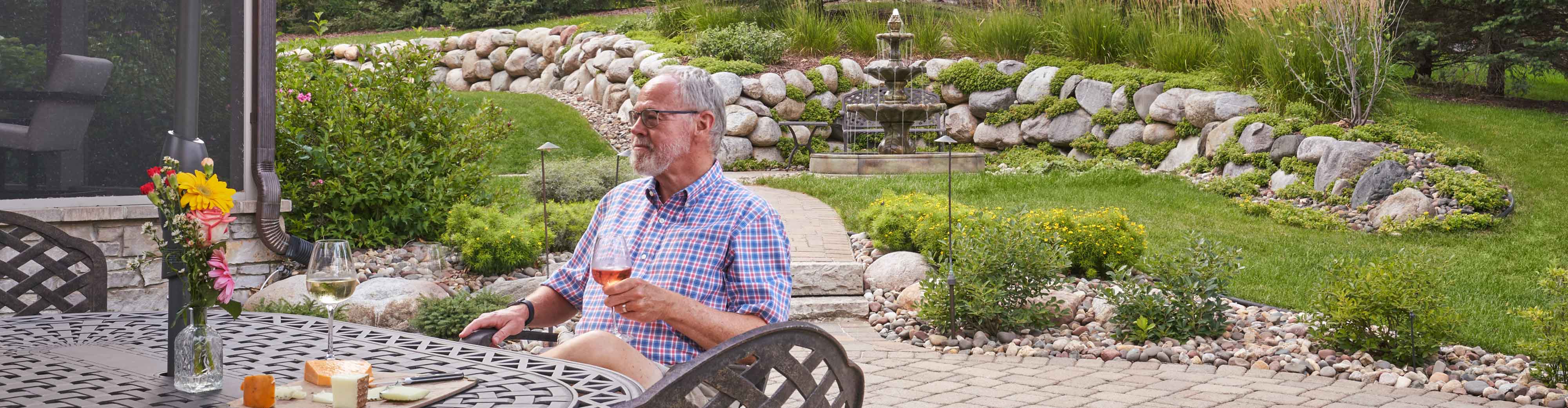
Smart Drainage & Grading Solutions for Sloped Yards in Minneapolis
Standing water ruins a yard fast. In Minneapolis, a slope that sends water toward your house means headaches. Wet basements, patchy grass, and mud where you want lawn. The only way to stop it is with grading that’s done right. The ground needs a real slope away from your foundation, not just a quick fix. Get the grade right, and water moves out, not in.
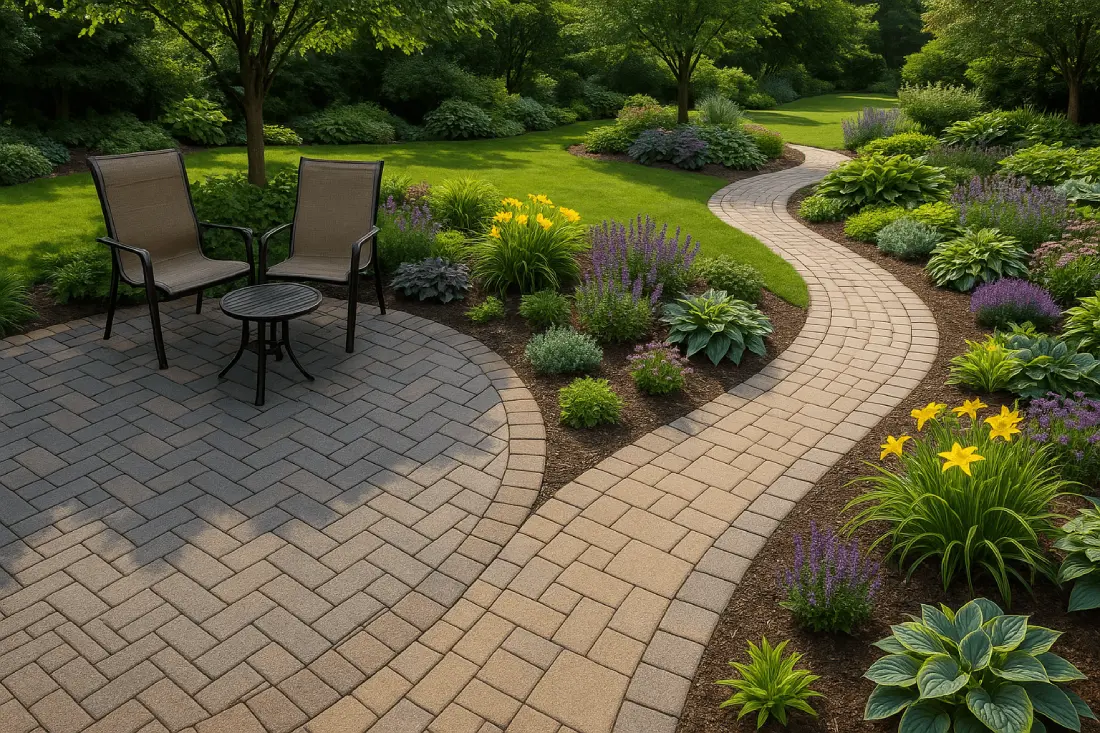
- Measure the drop: at least 2% away from the house for the first ten feet. Anything less, and water lingers.
- Use a string line or a long level to spot dips and humps. Don’t trust your eyes alone.
- Fill low spots with compacted, quality soil. Loose fill settles and brings the problem back.
- Blend new soil into the yard. No sharp edges, no obvious patches, just a smooth, natural grade.
- Send runoff to a safe spot. Rain gardens and swales work. Dumping water on a neighbor’s lot doesn’t.
A well-graded yard in Minneapolis isn’t just about looks. It’s the foundation for every other drainage fix. Without it, every other solution struggles. For a look at how grading fits into a bigger plan, see landscape architecture that works for local homes.
Retaining Walls that Hold Up
Sloped yards don’t stay put on their own. Soil slides, grass thins, and water carves channels where you don’t want them. Retaining walls step in to hold the line. They create level terraces, stop erosion, and give you usable space. But a wall without drainage is a wall waiting to fail. Water builds up behind it, pressure rises, and sooner or later, something gives.
- Segmental retaining walls flex with the ground. They handle freeze-thaw cycles and shifting soil.
- Boulder walls blend into the yard. They look natural and last for decades.
- Drain pipes or weep holes behind the wall let water escape. No trapped moisture, no hidden pressure.
- Gravel backfill keeps water moving and the wall stable. Skip it, and you get soggy soil and shifting blocks.
- Filter fabric stops soil from clogging the drainage. Clean water out, dirt stays put.
Want to see what works for Minneapolis slopes? Look at segmental retaining wall options or see how boulder retaining walls turn a steep yard into flat, usable ground. The right wall does more than hold dirt. It keeps your yard sharp and your basement dry.
Retaining walls shape the yard and control water. They’re a core part of yard drainage in Minneapolis and can match any style: modern, rustic, or anything in between. If you want a solution that lasts, our retaining wall team at DreamScapes Landscaping & Design can help you get it right the first time.
French Drains for Yards That Won't Dry
Water picks a spot and camps there. Week after week, the same patch stays soaked. Grass rots, mud spreads, and plants drown before they get started. French drains fix this problem for good. They run below ground where you can't see them, using gravel and perforated pipe to grab water and redirect it. The soggy patches disappear. Standing water becomes a memory. After installation, you forget they're there—but your yard remembers.
- French drains perform best in low areas and at the bottom of slopes.
- Gravel surrounds the pipe, keeping it clear and water moving.
- Perforated pipe pulls water from saturated soil and pushes it away from your foundation, not toward it.
- Done right, there's no surface clutter and nothing to trip over.
French drains work quietly, but they handle problems nothing else touches. They're what separates a yard that recovers from one that stays waterlogged all season. When you need drainage that disappears but delivers, we can design and install a French drain system that matches your property and solves your problem.
Rain Gardens That Earn Their Space
Rain gardens handle two jobs at once. They absorb stormwater and bring life to your landscape. In Minneapolis, they're one of the smartest ways to manage runoff and keep contaminants out of local waterways. Native grasses and perennials with deep roots go into a shallow depression. Those roots pull water down, trap sediment, and anchor the soil. No puddles, no wasted real estate.
- Rain gardens work in natural low spots or become intentional features in your design.
- Native plants survive Minneapolis conditions and require minimal upkeep.
- Deep root systems crack through clay and speed up water absorption.
- Contaminants get filtered out before they hit the street or storm system.
For inspiration that works in smaller yards, check out small garden designs that deliver big results. Rain gardens aren't just attractive—they perform. Our team can help you choose the right native species and build a rain garden that controls runoff while adding character to your property.
Stopping Erosion Before It Starts
Bare soil on a slope doesn’t last. Rain hits, and the dirt moves. Grass thins, roots wash out, and you’re left with ruts and gullies. Erosion control keeps your investment in place and your yard looking sharp.
- Ground covers and native grasses anchor soil. Roots hold tight, even on steep hills.
- Mulch or wood chips shield bare ground from pounding rain.
- Erosion control blankets add support on steep slopes. They buy time for plants to take hold.
- Terraces break up long slopes and slow water down. Each level gives water a place to pause.
- Stone or log edging keeps soil from spilling out of beds and onto walkways.
Erosion control in Minneapolis protects your yard and your wallet. For a bigger-picture approach, look at planting strategies that work for local yards. We know how to combine erosion control with plantings and grading for a solution that lasts through every season.
Downspouts that Don’t Backfire
Downspouts can undo every other drainage fix if they’re pointed the wrong way. Water dumps next to the foundation, and you get wet basements, shifting soil, and ruined landscaping. The fix is simple but important. Downspouts need to send water at least six feet from the house, aimed at a spot where it can soak in or flow to a rain garden.
- Splash blocks keep water from digging holes at the end of the downspout.
- Extension pipes carry water further: no guessing, no shortcuts.
- Underground drains hide the fix and keep the yard clean.
For more on keeping water where it belongs, see how shoreline landscaping protects both homes and the environment.
Request yard drainage and grading solutions in Minneapolis
Ready to fix your drainage problems for good? Call DreamScapes Landscaping & Design at 651-415-1000 or contact us to get started with a team that knows Minneapolis yards inside and out.
‹ Back
Recent Posts
-

Thinking About Adding a Firepit for Outdoor Evenings?
September 7, 2026
-

Should You Add Landscape Lighting in Minneapolis This Spring?
August 24, 2026
-
Is Your Shoreview Walkway Ready for an Upgrade?
August 10, 2026
-
-
Is Your Roseville Pool Area Ready for a Fresh New Look?
July 13, 2026