

Thinking About Adding a Firepit for Outdoor Evenings?
Most homeowners think a firepit is just about ambiance. Flames, warmth, maybe some marshmallows. But a well-placed firepit does more than set a mood—it reshapes how you use your entire outdoor space. It's not decoration. It's function. And if you don't think through placement, fuel type, and safety upfront, you're setting yourself up for regret or worse.
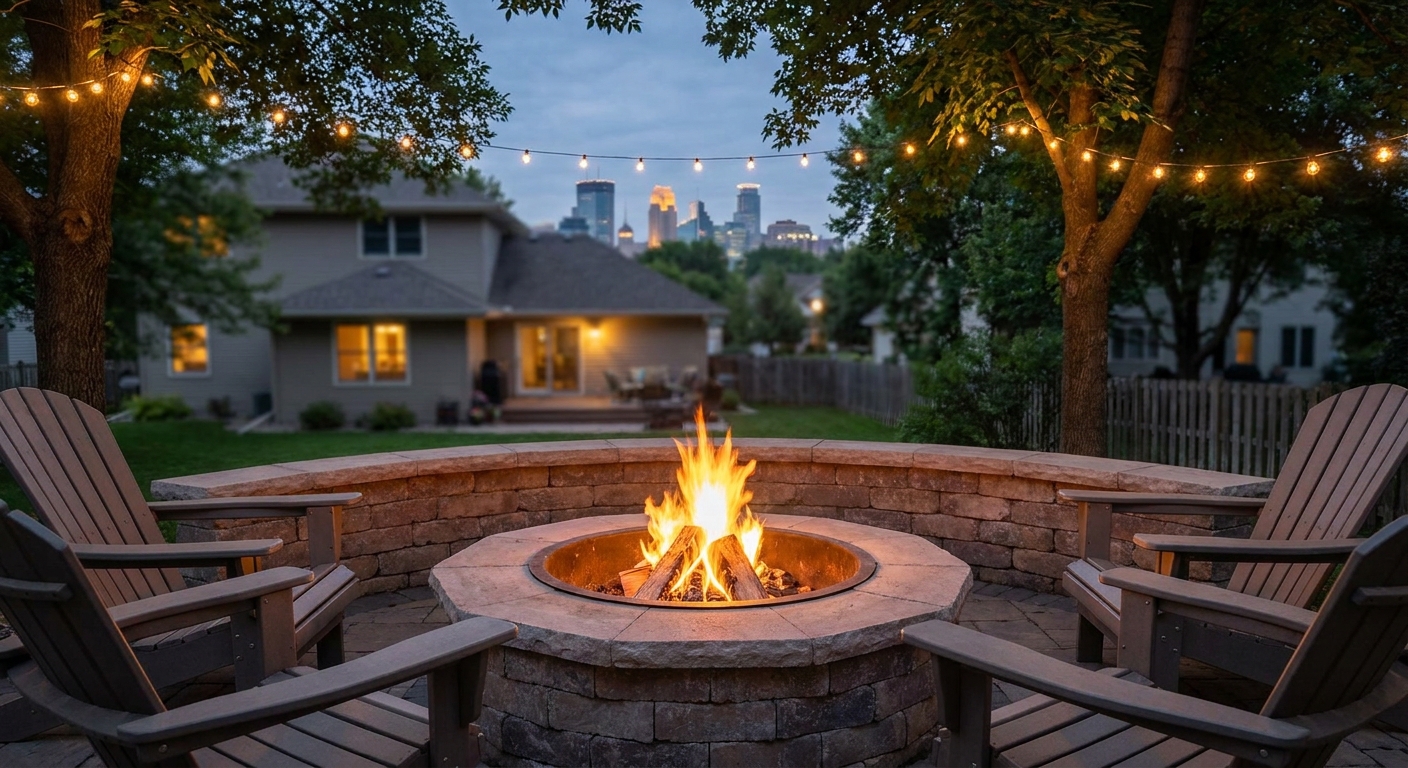
Here's what matters. If you're adding fire to your property, every decision counts. Where it sits, what burns inside it, how close it is to structures—those aren't style choices. They're liability questions. And every spark that jumps should have a plan behind it. Not just a vibe.
The Real Reason People Add Firepits
A firepit stretches your property's usability into the cooler months. You're not just sitting outside—you're claiming hours you'd otherwise lose to the cold. Conversation flows differently around a fire. People linger. Kids roast things. Adults unwind without needing an excuse.
But it's also about return. A thoughtfully designed firepit doesn't just get used—it becomes a centerpiece. When you sell, buyers see it. When you host, guests remember it. The right setup turns dead yard space into a destination. Our team at Dreamscapes specializes in creating these kinds of transformative outdoor spaces.
Fuel Types That Actually Matter
You've got options, and each one changes what you're signing up for. Wood burns hot and smells great, but it demands attention. You're tending it, feeding it, cleaning up ash. Gas flips on like a stove—no smoke, no mess, just heat. Gel canisters work if you want portability and zero fumes, though the flame's smaller.
Choose based on how you'll actually use it. If you're the type who loves the ritual of building a fire, go wood. If you want instant warmth without the hassle, gas is your answer. Don't pick based on what looks cool in a catalog. Pick based on what you'll maintain.
What You Need to Consider Before You Build
Before you dig or order anything, check local codes. Some municipalities restrict open flames or require permits. Others dictate setback distances from property lines or structures. Ignoring this step can mean tearing out a brand-new install—or dealing with fines.
Beyond regulations, think through these factors:
- Distance from your house, deck, or any overhead branches
- Wind patterns in your yard—smoke should blow away from seating
- Ground surface—you need a stable, non-flammable base
- Visibility from inside—do you want to see it from your living room?
- Access to utilities if you're going with gas or electric ignition
Built-In or Portable
Permanent firepits add value and visual weight to your landscape. They're statement pieces. But they're also commitments—you can't move them if you change your mind. Portable units give you flexibility. You can reposition them, store them during off-season, or take them with you if you move.
If you're building permanent, choose materials that match your home's exterior. Stone, brick, and poured concrete all age differently. Metal firepits rust unless they're powder-coated or stainless. Factor in how much weather exposure the unit will face and how much upkeep you're willing to do. Professional fire features installation ensures proper material selection and longevity.
Materials That Hold Up
Not all firepit materials are created equal. Cast iron looks classic but requires seasoning and rust prevention. Steel firepits are durable but can warp under extreme heat if they're not thick enough. Brick and stone offer longevity but need proper mortar and drainage to avoid cracking.
Here's what separates the good builds from the regrets:
- Thickness of metal—thin walls buckle fast
- Fire-rated brick or stone, not decorative pavers
- Protective coatings on metal to resist corrosion
- Proper ventilation if you're building an enclosed design
- Drainage considerations so water doesn't pool inside
Safety Isn't Negotiable
A firepit without a safety plan is just a hazard waiting to happen. Keep a fire extinguisher within reach. Use a spark screen if you're burning wood. Never use accelerants like gasoline to start or revive a fire—that's how people end up in emergency rooms.
Supervise kids and pets. Establish a clear perimeter where no one runs or plays. And never leave a fire unattended, even if it looks like it's dying out. Embers can reignite hours later.
The Setup Around the Fire
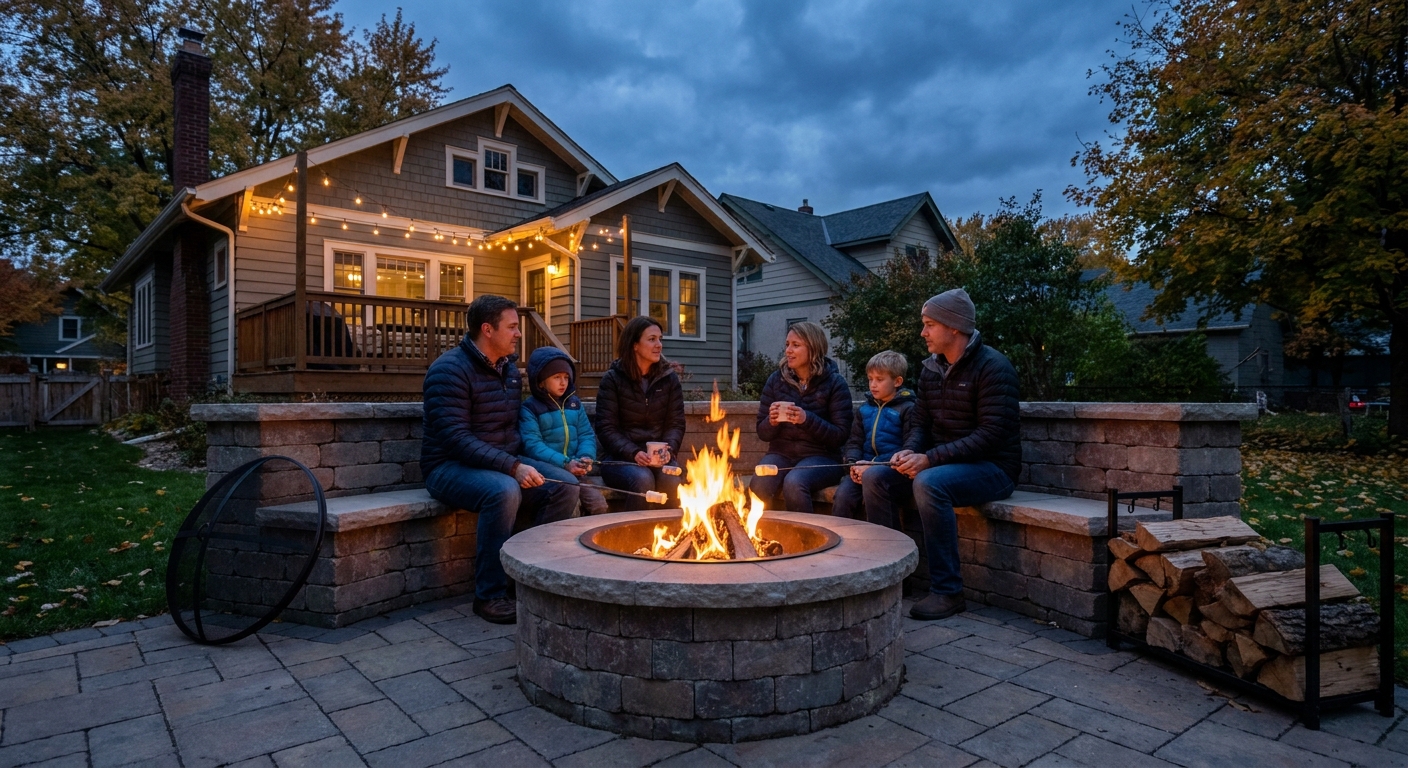
Seating arrangement makes or breaks the experience. You want chairs or benches close enough for warmth but far enough that sparks won't land on anyone. Arrange them in a circle or semi-circle to encourage conversation. Built-in stone benches look sharp and never need replacing, but movable chairs let you adjust for group size.
Add side tables for drinks and snacks. String lights or lanterns around the area create ambiance without overpowering the fire's glow. And keep blankets nearby—people will use them, especially as the night wears on. Consider adding low voltage lighting to enhance safety and atmosphere around your fire feature.
Maintenance You Can't Skip
After each use, clear out ash and debris. Leaving it to pile up invites rust and restricts airflow. If you've got a gas unit, inspect connections and burners periodically for blockages or leaks. Cover your firepit when it's not in use to protect it from rain and snow.
Check for cracks in stone or mortar joints at least once a season. Small issues turn into expensive repairs if you ignore them. And if you're in an area with freeze-thaw cycles, make sure water isn't sitting anywhere it can expand and crack your materials.
What to Stock for the Best Nights
You'll want more than just firewood or propane on hand. Keep these essentials stocked:
- Dry kindling and seasoned firewood if you're burning wood
- Long matches or a lighter designed for outdoor use
- Marshmallows, chocolate, and graham crackers for s'mores
- A poker or tongs for adjusting logs safely
- A bucket of sand or water for emergency extinguishing
Common Mistakes That Cost You
Placing a firepit too close to your house or under a pergola is a recipe for damage. So is using the wrong fuel type for your firepit design—never burn wood in a unit designed for gas. And skipping the base layer? That's how you scorch your patio or kill the grass underneath.
Another mistake is overloading the firepit with wood or turning the gas too high. More flame doesn't mean more warmth—it just means more risk. Keep the fire controlled, manageable, and appropriate for the space. Working with experienced residential landscaping professionals helps you avoid these costly errors.
When to Bring in a Pro
If you're installing a gas line, running electrical for ignition, or building a custom stone structure, don't wing it. A professional ensures proper installation, meets code requirements, and reduces the chance of costly mistakes. They'll also handle permits and inspections, which saves you time and headaches.
For simpler setups—like dropping a portable firepit onto a gravel pad—you can handle it yourself. But when complexity or safety are involved, spending on expertise pays off. Our landscape architecture team can help you design and integrate a firepit that complements your entire outdoor living space.
The Payoff Is in the Pattern
Adding a firepit isn't about one night. It's about creating a pattern—a place your family gravitates toward, a reason to step outside even when it's chilly. Done right, it becomes a fixture in your routine. Done poorly, it sits unused or becomes a liability. The difference is in the details you handle upfront, not the ones you hope will work themselves out later. Browse our residential featured projects to see how we've helped other homeowners create stunning outdoor fire features.
Ready to Transform Your Evenings?
Let’s make your backyard the spot where memories are made, not just another project on your to-do list. If you’re ready to enjoy more nights outside around a firepit designed for comfort, safety, and style, let’s talk about your vision. Call us at 651-415-1000 or schedule a consultation and together we’ll create an outdoor space you’ll love coming home to.
‹ Back
Recent Posts
-
Thinking About Adding a Firepit for Outdoor Evenings?
September 7, 2026
-
Should You Add Landscape Lighting in Minneapolis This Spring?
August 24, 2026
-
Is Your Shoreview Walkway Ready for an Upgrade?
August 10, 2026
-
-
Is Your Roseville Pool Area Ready for a Fresh New Look?
July 13, 2026