

Is Your Shoreview Walkway Ready for an Upgrade?
Most homeowners think about walkways only when they're broken. Cracked pavers, sunken slabs, weeds creeping through the gaps—that's when the problem finally registers. But the truth is, your walkway has been telling you something long before the damage became obvious. And if you're not listening, you're setting yourself up for bigger headaches down the line.
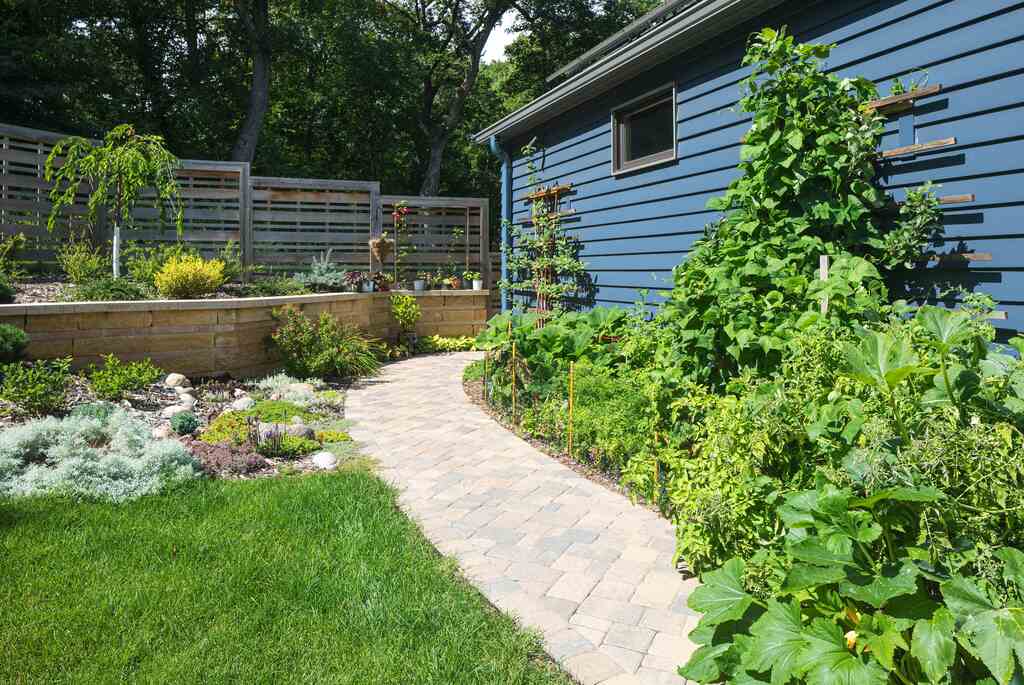
A walkway isn't just a strip of concrete connecting your driveway to your front door. It's the first thing guests see. It's where your kids run barefoot in summer. It's what holds up under Minnesota's freeze-thaw punishment year after year. So when it starts failing, it's not just an eyesore—it's a liability. Every crack is a tripping hazard. Every sunken section is a water trap. And every delay in fixing it just makes the repair more expensive.
When the Surface Tells You It's Done
Your walkway won't collapse overnight, but it will give you plenty of warning signs if you know what to look for. Cracks don't just appear randomly—they're a symptom of deeper issues like soil movement, poor drainage, or materials that weren't built to last. Shoreview winters are brutal, and when water seeps into those cracks and freezes, the damage multiplies fast.
Uneven surfaces are another red flag. If one section of your path sits higher than the rest, or if pavers have shifted out of alignment, you're dealing with foundation problems. That's not something you can patch with a bag of quick-fix concrete. It's structural. And the longer you ignore it, the worse it gets.
- Visible cracks running through concrete or between pavers
- Sections that have sunk or lifted compared to the rest
- Persistent weeds or moss growing in joints and edges
- Faded color or surface staining from years of exposure
- Pooling water after rain instead of proper runoff
Why Upgrading Actually Matters
Replacing a walkway isn't just about making things look nicer—though that's a solid side benefit. It's about eliminating hazards, improving function, and protecting your investment. A safe, well-constructed path means fewer liability concerns and fewer close calls with twisted ankles or worse.
And let's be honest—curb appeal isn't optional in today's market. If you're planning to sell, or even if you just want your home to hold its value, a fresh walkway is one of the highest-return upgrades you can make. Buyers notice the details. A walkway that looks tired or unsafe sends a message about the rest of the property, whether that's fair or not. Professional residential landscaping investment always pays dividends when it comes to property value.
- Safer access for family, guests, and delivery personnel
- Better drainage that prevents ice buildup and erosion
- Lower maintenance requirements with modern materials
- Stronger resale appeal and higher property valuation
- Visual cohesion with updated landscaping and exterior finishes
Materials That Actually Hold Up
Not all walkway materials are created equal, especially in a climate like ours. Stamped concrete looks great in a showroom, but if it's not installed correctly with proper drainage and a solid base, it'll crack within a few seasons. Patios and walkways built with pavers offer flexibility—they can shift slightly with the ground without fracturing, and individual pieces can be replaced without tearing up the entire path.
Natural stone is a premium choice for durability and aesthetics, but it comes with a higher price tag and installation complexity. If you're going that route, make sure your contractor knows how to prep the subgrade and manage water flow. Otherwise, you're just paying more for the same problems.
- Interlocking pavers that flex with ground movement
- Permeable surfaces that allow water to drain through
- Flagstone or bluestone for natural, high-end appeal
- Reinforced concrete with proper expansion joints
- Brick set in sand for a classic, repairable design
Design Choices That Make a Difference
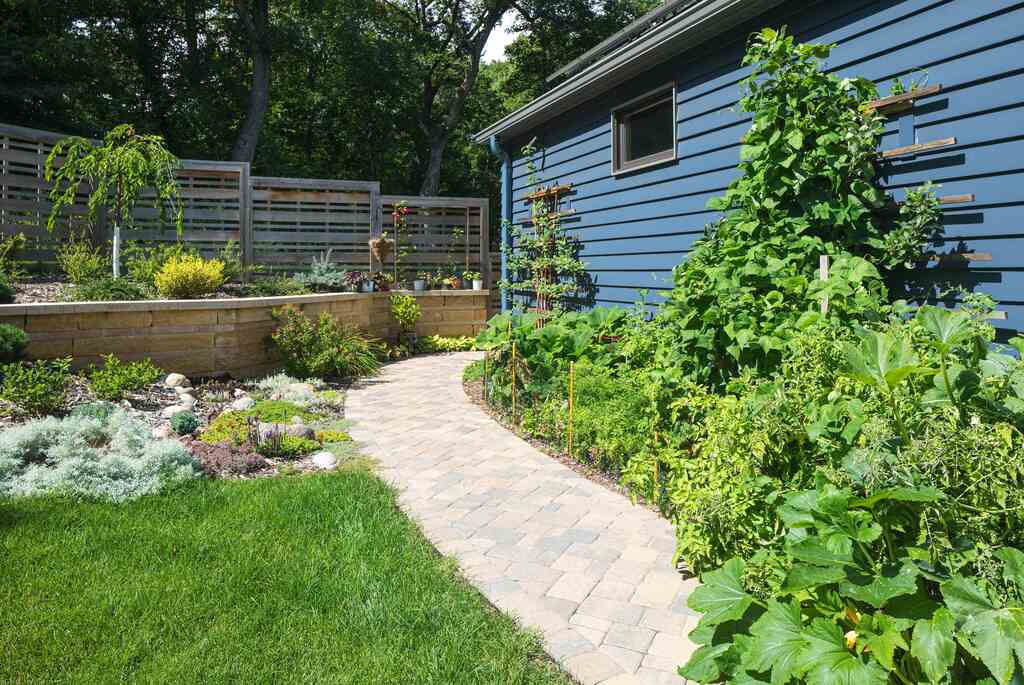
A straight shot from point A to point B is functional, but it's boring. Curved pathways add character and guide the eye through your landscape in a way that feels intentional. Wider paths accommodate foot traffic more comfortably and give you room to flank the edges with lighting or plantings.
Speaking of lighting—low voltage lighting integrated into pathways isn't just decorative. It's a safety feature that keeps your walkway usable after dark and adds a layer of security around your property. Choose fixtures that are rated for outdoor use and positioned to eliminate dark spots without creating glare.
- Curved layouts that follow natural landscape contours
- Wider dimensions for comfortable two-way traffic
- Low-voltage LED lighting along edges or steps
- Contrasting border materials to define edges clearly
- Textured surfaces for better traction in wet conditions
Picking the Right Team for the Job
This isn't a DIY weekend project unless you've got serious experience with excavation, grading, and material installation. A bad install will fail faster than an old walkway, and you'll be out the cost of materials plus the labor to redo it. Find a contractor who's worked in Shoreview, understands soil conditions, and can show you completed projects—not just glossy brochures. Browse through residential featured projects to see what quality craftsmanship looks like.
Ask about warranties, timelines, and what happens if weather delays the job. A solid contractor will walk you through the process, explain material choices, and set realistic expectations. If someone's pushing you to sign without answering your questions, walk away. Your walkway will outlast most home improvements—make sure it's done right the first time.
Stop Waiting for It to Get Worse
Every season you put off upgrading your walkway, the damage compounds. Cracks turn into craters. Water infiltration weakens the base. Safety risks multiply. And when you finally do act, the repair bill is higher than it would've been if you'd handled it sooner. There's no prize for waiting until something breaks completely before fixing it.
We've seen too many homeowners gamble on "just one more year" and lose. The smart move is to assess your walkway now, get a few quotes, and make a decision based on facts—not wishful thinking. Schedule a consultation to get professional guidance on your property's specific needs. Your property deserves better than a path held together by hope and landscaping fabric.
Let’s Transform Your Walkway Together
We know how much a safe, beautiful walkway means for your home and your peace of mind. If you’re ready to upgrade, let’s talk about the best options for your property and budget. Give us a call at 651-415-1000 or schedule a consultation—we’re here to help you take the next step toward a walkway you’ll love for years to come.
‹ Back
Recent Posts
-
Thinking About Adding a Firepit for Outdoor Evenings?
September 7, 2026
-
Should You Add Landscape Lighting in Minneapolis This Spring?
August 24, 2026
-
Is Your Shoreview Walkway Ready for an Upgrade?
August 10, 2026
-
-
Is Your Roseville Pool Area Ready for a Fresh New Look?
July 13, 2026