

Do You Need a Retaining Wall in White Bear Lake to Handle Heavy Rain?
Heavy rain in White Bear Lake doesn't just fill the gutters. It reshapes your landscape, washes away topsoil, and threatens structures you'd rather not rebuild. Most homeowners notice the puddles and move on. We notice where the water went — and what it took with it.
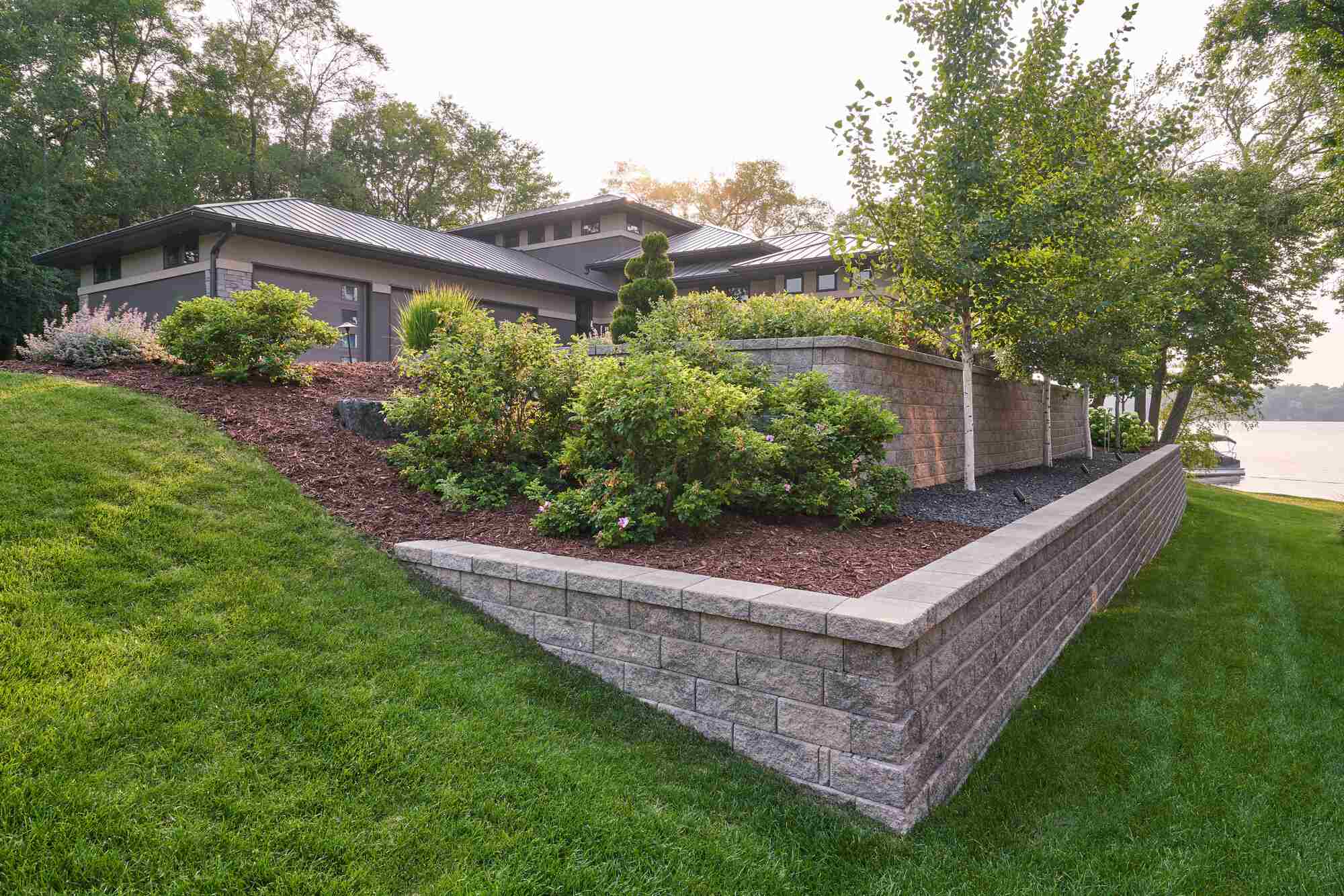
A retaining wall isn't about curb appeal or weekend projects. It's about holding ground. If your property slopes, drains poorly, or loses soil every spring, you're not just dealing with mud. You're dealing with structural risk. And the longer you wait, the more expensive the fix becomes.
When Slopes Turn Into Liabilities
Sloped properties look great until the rain hits. Then gravity takes over, and water finds the path of least resistance — usually straight through your landscaping and toward your foundation. Without something to slow it down or redirect it, that runoff carves channels, displaces soil, and destabilizes everything in its path.
A retaining wall acts as a barrier and a redirector. It holds back the earth where you need stability and manages water flow before it becomes a problem. If your yard has uneven terrain or steep grades, this isn't optional — it's damage control.
Erosion Leaves More Than Bare Patches
Soil erosion doesn't stop at aesthetics. When topsoil washes away, it exposes roots, undermines hardscaping, and shifts the grade around your home. Over time, this can compromise driveways, walkways, and even the foundation itself.
We've seen properties where minor erosion turned into major structural issues because no one intervened early. A retaining wall stops that process cold. It keeps the soil in place, protects plantings, and ensures water flows where it's supposed to — not through your yard like a stream.
Warning Signs Your Property Is Vulnerable
You don't need to be a civil engineer to spot trouble. The signs are usually obvious once you know what to look for. If any of these apply, a retaining wall should be on your radar.
- Soil washing away after every storm, especially on slopes or near drainage paths
- Water pooling near your foundation, basement windows, or low-lying areas
- Cracks appearing in your driveway, sidewalks, or foundation walls
- Unstable hillsides that shift, slump, or feel soft underfoot after rain
- Gardens or lawns that get washed out or flooded repeatedly despite your best efforts
What a Retaining Wall Actually Does
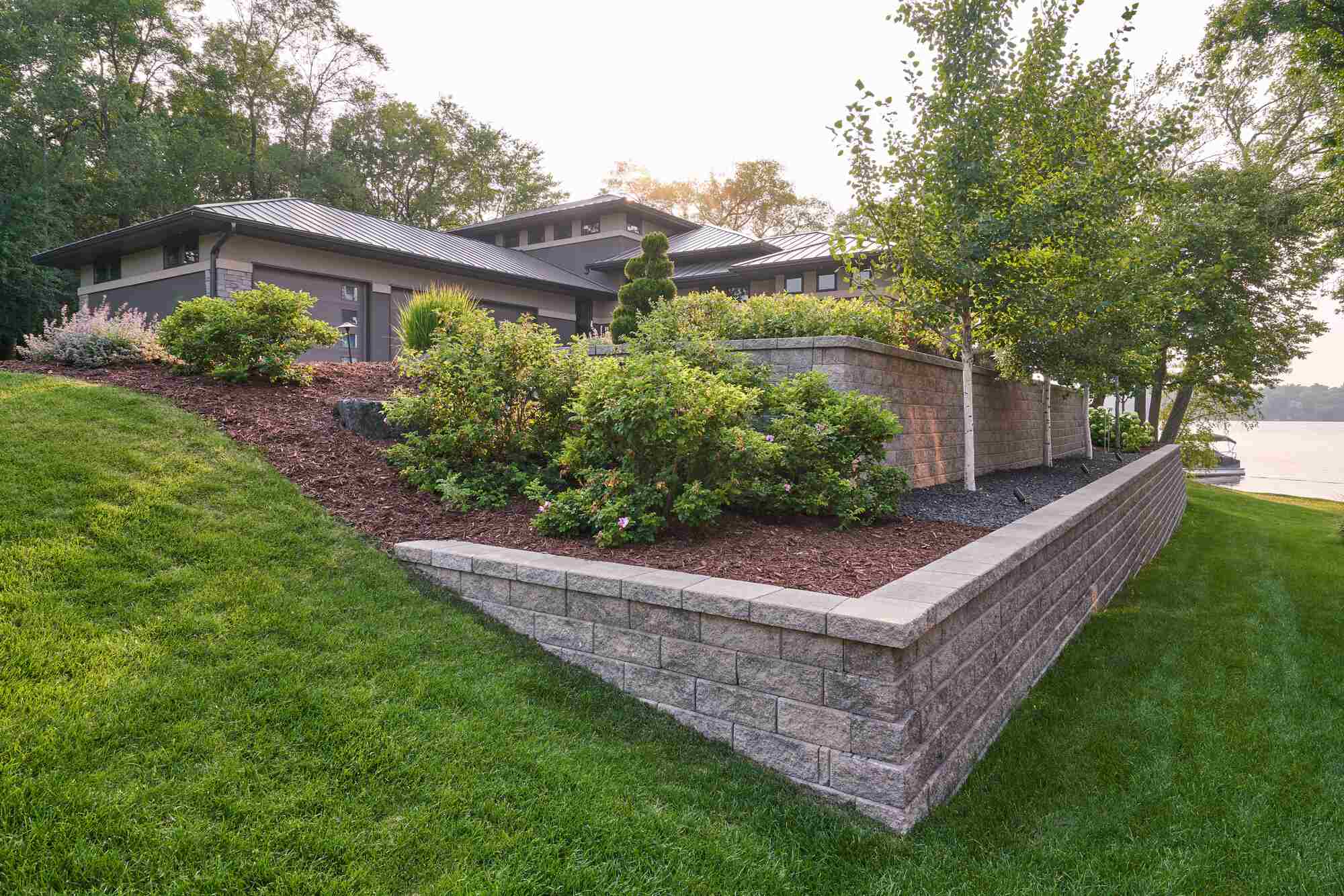
A retaining wall isn't just a stack of blocks. It's an engineered solution designed to resist pressure from soil, water, and gravity. When built correctly, it stabilizes slopes, prevents erosion, and creates functional outdoor space where none existed before.
The right wall also includes drainage features — weep holes, gravel backfill, or perforated pipe — that keep water from building up behind it. Without proper drainage, even the strongest wall can fail. Pressure builds, soil shifts, and the structure buckles. That's why design and installation matter just as much as materials.
Benefits That Go Beyond Water Management
Sure, a retaining wall handles runoff. But it also does a lot more than that. It transforms unusable slopes into terraced gardens, patios, or play areas. It protects your foundation from shifting soil and hydrostatic pressure. It adds structure and definition to your landscape.
Here's what you gain when you invest in a well-built retaining wall:
- Stops soil erosion and keeps your landscaping intact
- Improves drainage and reduces flooding risk around your home
- Increases property value and visual appeal
- Creates usable, level space on otherwise steep terrain
- Protects your foundation from water damage and soil movement
Material Choices That Match Your Property
Retaining walls come in multiple materials, and the right choice depends on your budget, aesthetic preferences, and the demands of your site. Concrete blocks are strong and versatile. Natural stone offers timeless beauty but costs more. Timber works for smaller walls but requires maintenance. Poured concrete delivers maximum strength for heavy-duty applications.
We always recommend matching the material to the job. A short decorative wall? Stone or timber might work. A tall structure holding back tons of earth? You'll want concrete or engineered block with proper reinforcement.
Design Factors You Can't Afford to Skip
Building a retaining wall isn't a DIY project if it's holding back serious weight or water. You'll need to account for soil type, slope angle, drainage, frost heave, and load calculations. Miss any of those, and you're looking at failure — sometimes catastrophic.
Here's what goes into a proper retaining wall design:
- Soil testing to understand bearing capacity and drainage needs
- Proper footing depth below the frost line to prevent movement
- Drainage systems behind the wall to relieve hydrostatic pressure
- Reinforcement like geogrids or tiebacks for taller or heavily loaded walls
- Permits and inspections to ensure code compliance and safety
Drainage Makes or Breaks the Structure
Even the strongest wall fails without drainage. Water builds up behind the structure, adds pressure, and eventually pushes it over. That's why every retaining wall needs a way to let water escape — whether through weep holes, gravel backfill, or perforated drain pipe.
Proper drainage isn't a nice-to-have. It's the difference between a wall that lasts decades and one that collapses after a few heavy rains. If your contractor skips this step, find another contractor.
Local Rules You Need to Follow
White Bear Lake has regulations around retaining walls, especially for structures over a certain height or near property lines. You'll likely need a permit, and your design may need to meet specific engineering standards.
We always recommend checking with the city before you start. Skipping permits doesn't just risk fines — it risks insurance coverage if something goes wrong. Do it right the first time, and you'll never have to worry about it again.
When to Call in a Professional
Short walls under three feet? A skilled DIYer might handle it. Anything taller, steeper, or supporting a structure? That's professional territory. Engineers calculate loads, contractors handle installation, and inspectors make sure it meets code.
Cutting corners on design or installation is a gamble with your property's stability. The cost of doing it right pales in comparison to the cost of doing it twice — or dealing with foundation damage because the wall failed.
Stop Losing Ground Every Time It Rains
Heavy rain in White Bear Lake isn't going anywhere. Your property shouldn't go anywhere either. A retaining wall holds the line between managed terrain and uncontrolled erosion. It keeps water where it belongs, soil where you need it, and your foundation safe from shifts and pressure.
If your yard slopes, floods, or loses ground after every storm, you're already dealing with the problem. The only question is whether you fix it now or pay more later. A retaining wall isn't just defense — it's an investment in stability, usability, and peace of mind that lasts for decades. Boulder retaining walls and segmental retaining walls are two excellent options for residential landscaping projects that require structural stability and effective drainage management.
Let’s Secure Your Landscape for Good
We know how quickly Minnesota weather can turn a small problem into a major headache. If you’re ready to protect your property and reclaim your outdoor space, let’s talk about the right retaining wall for your needs. Give us a call at 651-415-1000 or schedule a consultation and together we’ll make sure your yard stands strong through every storm.
‹ Back
Recent Posts
-

Thinking About Adding a Firepit for Outdoor Evenings?
September 7, 2026
-

Should You Add Landscape Lighting in Minneapolis This Spring?
August 24, 2026
-
Is Your Shoreview Walkway Ready for an Upgrade?
August 10, 2026
-
-

Is Your Roseville Pool Area Ready for a Fresh New Look?
July 13, 2026