

Do You Need Better Yard Drainage in Minneapolis?
Minneapolis homeowners deal with water. A lot of it. Spring thaws dump snowmelt across lawns. Summer storms roll through with inches of rain in an hour. And when that water has nowhere to go, it doesn't just disappear—it sits, it pools, and it starts breaking things down. Your foundation. Your landscaping. Your basement. If you've noticed standing water after a storm or soggy patches that never seem to dry, you're not imagining it. You've got a drainage problem.
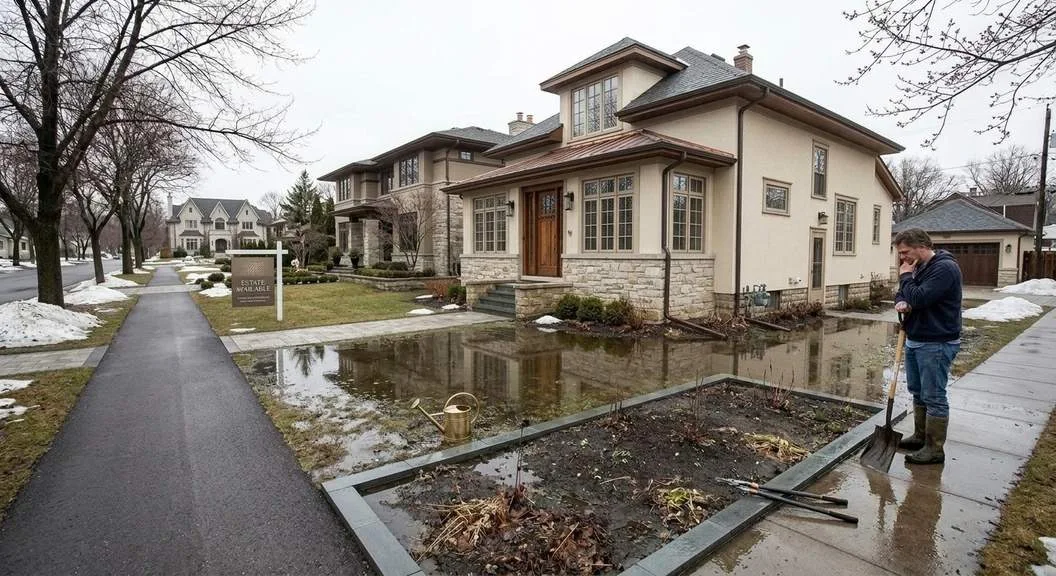
The question isn't whether drainage matters. It does. The question is whether you're going to fix it before it costs you real money—or wait until the damage is already done. Because in this climate, poor drainage doesn't stay a minor inconvenience. It escalates.
What Happens When Water Has Nowhere to Go
Water follows gravity. If your yard doesn't slope away from your house, or if the soil can't absorb what's coming down, that water finds the path of least resistance. Usually, that means pooling near your foundation or seeping into your basement. Over time, that moisture works its way into cracks, weakens structural integrity, and creates conditions for mold and rot.
Minneapolis soil doesn't help. Clay-heavy ground holds water like a sponge that's already full. Add in freeze-thaw cycles that compact the earth even further, and you've got a yard that can't handle what nature throws at it. Older properties are especially vulnerable—many were built before modern grading standards, and drainage wasn't always part of the plan.
The Red Flags You Shouldn't Ignore
Some drainage issues announce themselves. Others creep up slowly. Either way, the signs are there if you know what to look for. Catching them early means you can address the problem before it turns into a full-scale repair project.
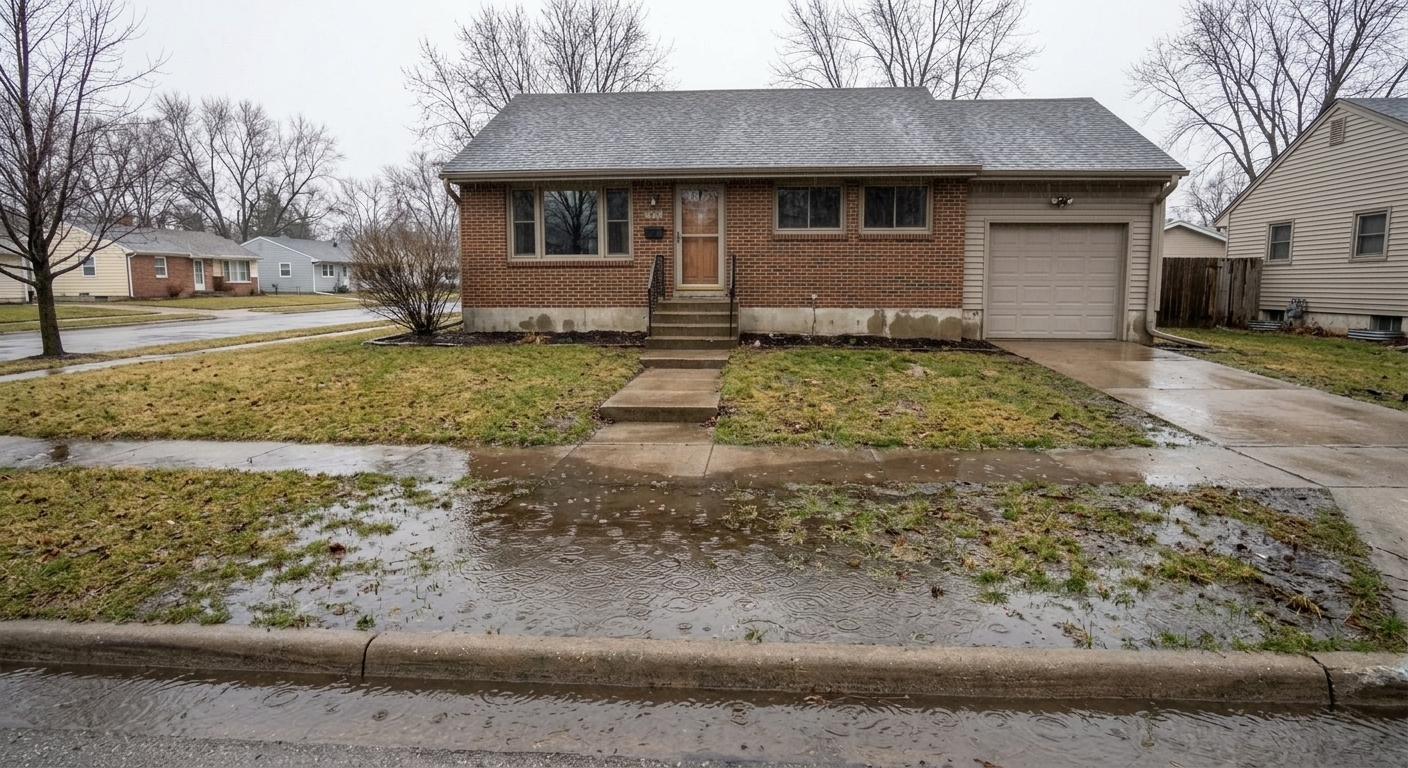
- Puddles that stick around for days after rain instead of draining within hours
- Grass that feels spongy or muddy underfoot, even when it hasn't rained recently
- Water stains or dampness in your basement or crawl space
- Soil erosion that exposes roots or creates uneven patches in your yard
- Mold or mildew creeping up exterior walls or foundation surfaces
- Plants that struggle or die in areas where water tends to collect
Why This City Makes Drainage Harder
Minneapolis isn't just dealing with rain. It's dealing with snow that melts, refreezes, and melts again. It's dealing with soil that doesn't drain well to begin with. And it's dealing with urban development that changes how water flows across neighborhoods. What used to be open land that absorbed runoff is now pavement and rooftops that send water rushing toward your property.
If your home was built decades ago, chances are the original grading wasn't designed for today's weather patterns or the surrounding development. That means even if your yard drained fine twenty years ago, it might not now. And if you're in a low-lying area or near a natural drainage path, you're fighting an uphill battle—literally.
Fixes That Actually Work
You can't control the weather. But you can control where the water goes once it hits your property. The right drainage solution depends on your yard's layout, soil type, and how severe the problem is. Some fixes are straightforward. Others require more planning and investment.
- Regrading your yard so it slopes away from the foundation, directing water toward the street or a drainage area
- Installing French drains that collect water underground and channel it away from problem zones
- Adding dry wells that capture excess runoff and let it slowly absorb into the ground
- Creating rain gardens with native plants that soak up and filter water naturally
- Extending downspouts so roof runoff doesn't dump right next to your foundation
- Aerating your lawn regularly to improve soil absorption and reduce surface pooling
When DIY Isn't Enough
Some drainage fixes are manageable on your own. Extending a downspout? Sure. Aerating your lawn? Easy enough. But if you're dealing with persistent flooding, foundation cracks, or large-scale erosion, you're in territory where guesswork gets expensive. A professional can assess your property, identify where the water's coming from and where it needs to go, and recommend solutions that actually solve the problem instead of just moving it around.
This is especially true if you're dealing with multiple issues at once—basement leaks combined with yard pooling, or erosion that's threatening your landscaping and your foundation. A landscape architecture expert has the tools and experience to handle complex situations without trial and error on your dime.
The Cost of Waiting
Ignoring drainage problems doesn't make them go away. It just gives them time to get worse. Water damage compounds. A small crack in your foundation becomes a structural issue. A soggy lawn becomes a breeding ground for pests and disease. A damp basement becomes a mold problem that affects your indoor air quality.
- Foundation repairs can run into the thousands, especially if water damage has been ongoing
- Basement waterproofing is far more expensive than preventing water from reaching the foundation in the first place
- Landscaping replacement costs add up when plants die from oversaturation or erosion washes away topsoil
- Mold remediation isn't cheap, and it's often necessary when moisture issues go unchecked
- Property value takes a hit when drainage problems are visible or documented during inspections
Protect What You've Built
Your home is an investment. Your yard is part of that investment. And drainage is what keeps both of them intact when the weather turns. Minneapolis isn't getting any drier, and the freeze-thaw cycle isn't going anywhere. That means drainage isn't a one-time fix—it's an ongoing priority.
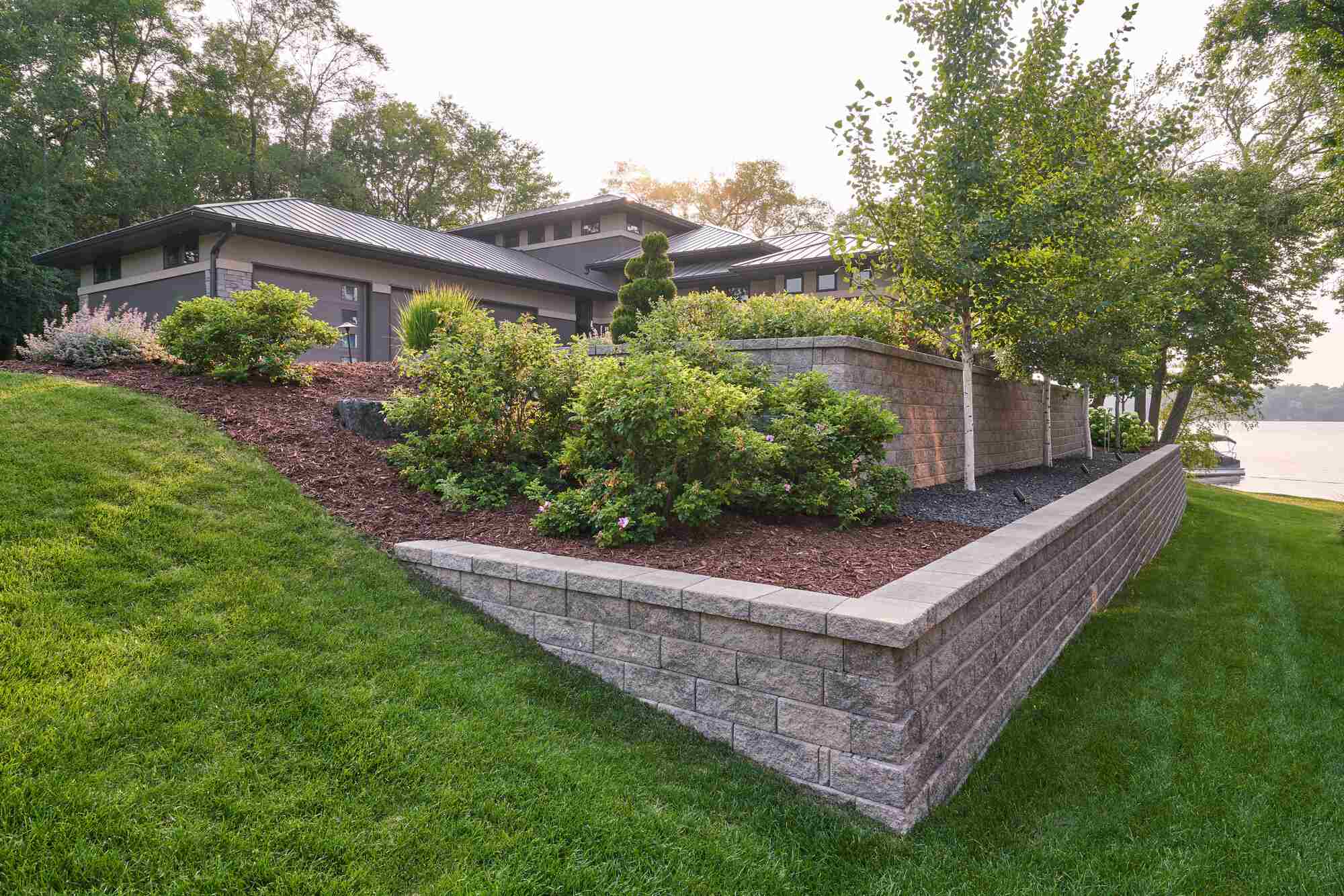
If you're seeing the signs, don't wait for the next big storm to prove you were right. Get ahead of it. Whether that means regrading your yard, installing a French drain, or bringing in a pro to map out a comprehensive solution, the time to act is before the damage spreads. Dreamscapes offers residential landscaping solutions including segmental retaining walls and boulder retaining walls that can help manage water flow and protect your property. Our team serves communities throughout the metro area, including Maple Grove, Woodbury, and Stillwater. Because once water finds a way in, it doesn't stop until you make it stop.
Let's Solve Your Drainage Challenges Together
We know how frustrating it is to watch water threaten your home and yard year after year. Let’s work together to create a lasting solution that keeps your property dry and protected, no matter what Minneapolis weather brings. Give us a call at 651-415-1000 or schedule a consultation and take the first step toward peace of mind for your home and landscape.
‹ Back
Recent Posts
-
Thinking About Adding a Firepit for Outdoor Evenings?
September 7, 2026
-
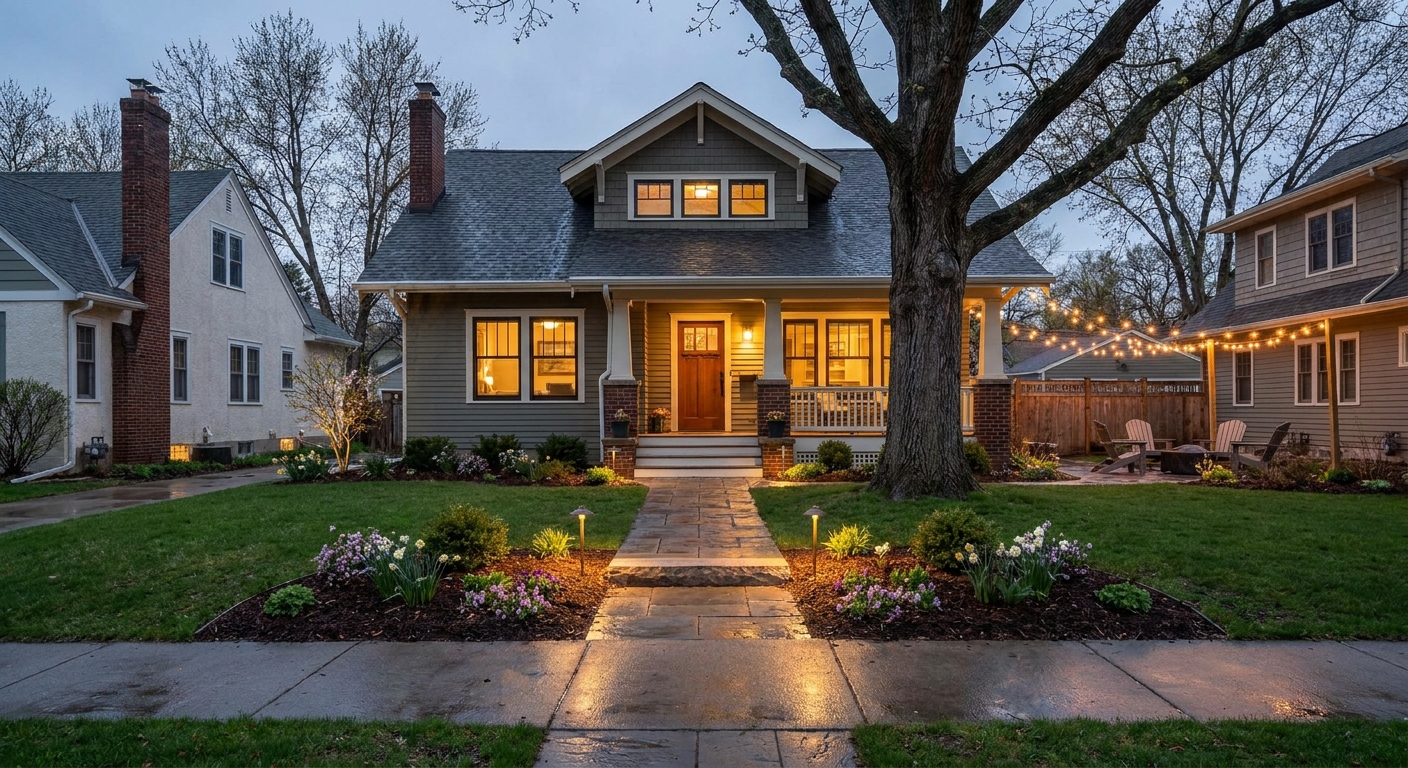
Should You Add Landscape Lighting in Minneapolis This Spring?
August 24, 2026
-
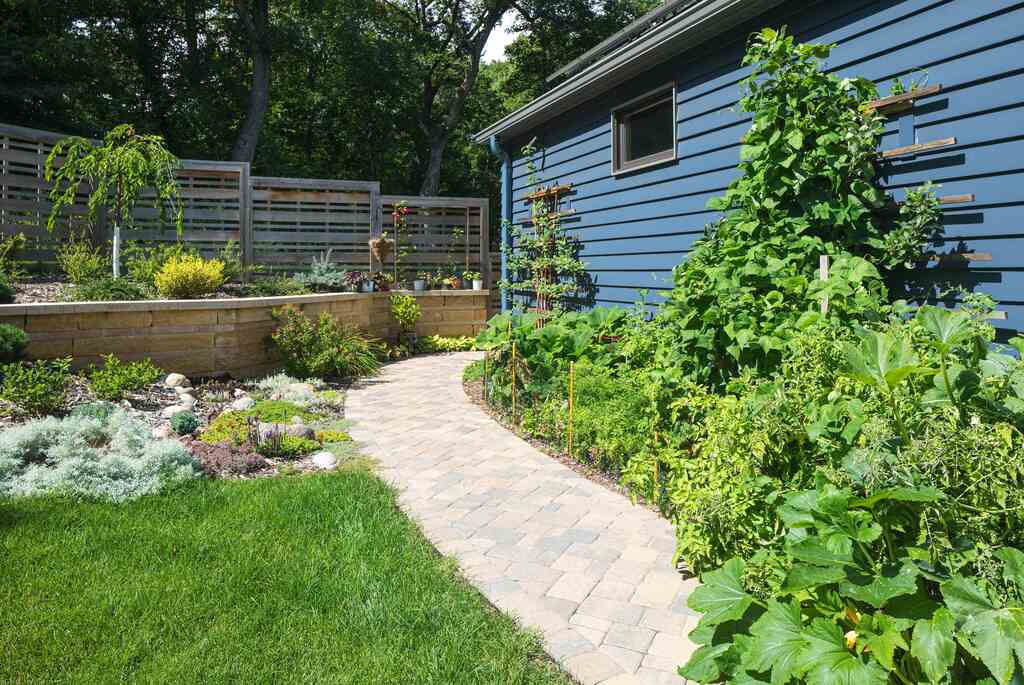
Is Your Shoreview Walkway Ready for an Upgrade?
August 10, 2026
-
-
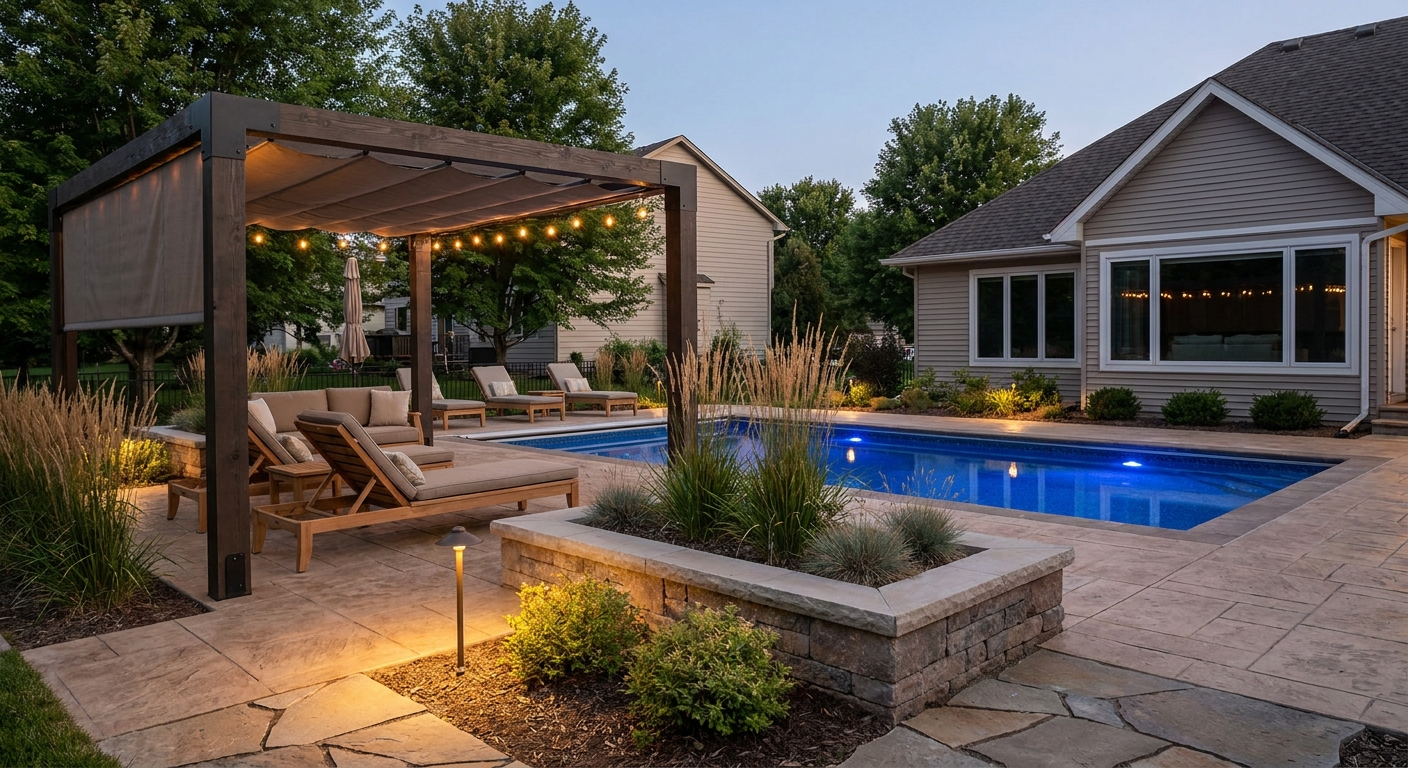
Is Your Roseville Pool Area Ready for a Fresh New Look?
July 13, 2026