

When Does Shoreline Landscaping in Minneapolis Become a Necessity?
Most lakefront owners think shoreline work is about curb appeal. Pretty plants, clean edges, maybe a dock. But the city and the DNR see more than that — and if you don't, you're asking for fines or worse. Erosion may not show up overnight, but it does leave a mark on your property value. Especially if you're ignoring runoff or letting invasive species take over.
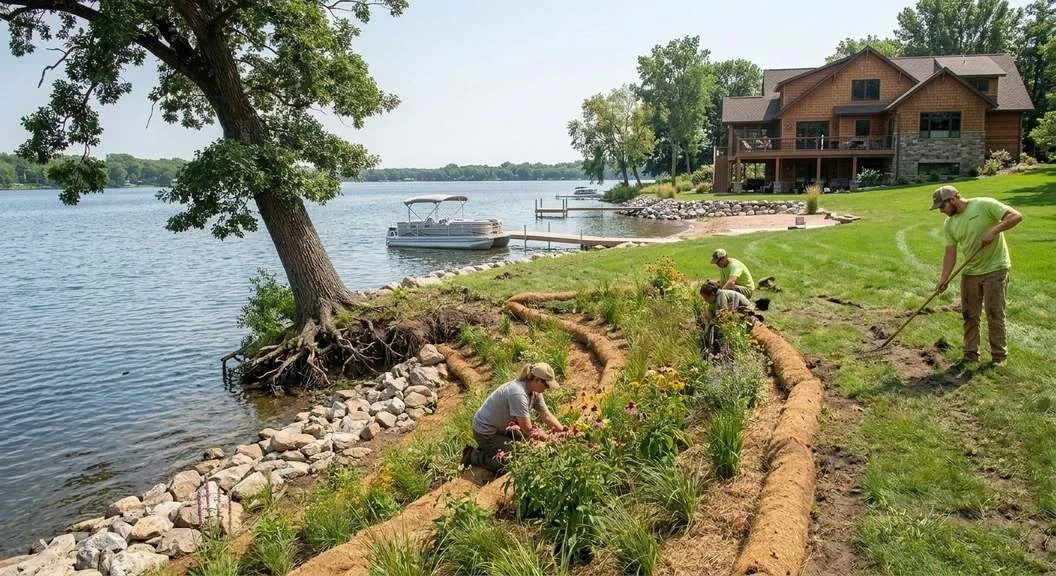
So here's the reality. If you own waterfront property in Minneapolis, that shoreline isn't just scenery. It's infrastructure. Every inch of exposed soil should be stabilized. Every planting decision needs to account for native species and water quality. And every landscaping move should be grounded in what the land actually needs — not just what looks good from the deck.
Erosion Doesn't Wait for Permission
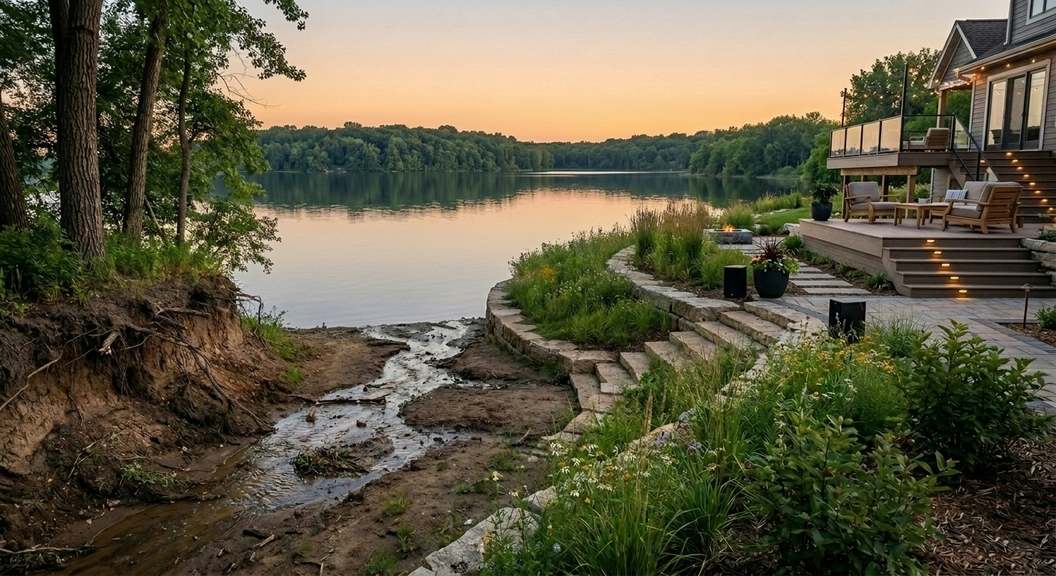
Most of the time, shoreline damage starts small. A little slumping after heavy rain. Some exposed roots near the water's edge. You tell yourself it's normal wear — it's not. The longer you wait, the worse it gets.
Once soil starts washing into the lake, you're not just losing land. You're contributing to sediment buildup, algae blooms, and habitat destruction. We've seen this play out across Chain of Lakes and Lake Minnetonka. Plenty of owners thought erosion was cosmetic — it wasn't. And when the city flags your property for noncompliance, you're looking at mandatory restoration and potential penalties.
Water Quality Issues Start on Your Lawn
You can't ignore what runs off your property — that's fertilizer, pesticides, and whatever else your turf soaks up. But the phosphorus and nitrogen? Those feed algae blooms that choke out oxygen and kill fish.
Here's where shoreline landscaping matters most:
- Native plant buffers trap pollutants before they hit the water
- Deep root systems filter runoff naturally without chemicals
- Vegetative zones slow water flow and allow sediment to settle
- Restored shorelines reduce the need for lawn treatments altogether
- Healthy vegetation supports beneficial bacteria that break down contaminants
The City Has Rules and They're Not Suggestions
Want to build a retaining wall or clear vegetation near the water? You'll need permits — and those come with conditions. Minneapolis and the state both regulate shoreline alterations to protect water quality and habitat.
The DNR has three main checkpoints:
- You maintain a vegetative buffer zone of native plants
- You don't remove more than a narrow viewing corridor
- You stabilize any disturbed soil with appropriate plantings, not just sod or rock
Fail one of those, and your project stalls. Even if you've already started work. And if any of your landscaping harms protected wetlands or wildlife corridors? That's a whole different level of trouble.
Native Vegetation Isn't Optional Anymore
If your shoreline is all turf grass or ornamental shrubs, you're missing the point. Those don't stabilize soil. They don't filter runoff. And they definitely don't support the ecosystem that keeps Minneapolis lakes healthy.
Native plants do the heavy lifting:
- Deep roots hold soil in place during storms and ice-out
- They require zero fertilizer or pesticides once established
- Native grasses and sedges create habitat for pollinators and birds
- They adapt to fluctuating water levels without dying back
- Restoration with natives often qualifies for city rebates or grants
Your Property Value Depends on What You Do Now
Want to protect your investment? Show the shoreline some respect. You'll need more than a few bags of mulch and some annuals to make a difference.
Here's what a solid shoreline plan should include:
- A site assessment identifying erosion zones and soil type
- A planting plan with native species suited to your water conditions
- Erosion control measures like coir logs or rock riprap where needed
- A maintenance schedule to manage invasives and monitor plant health
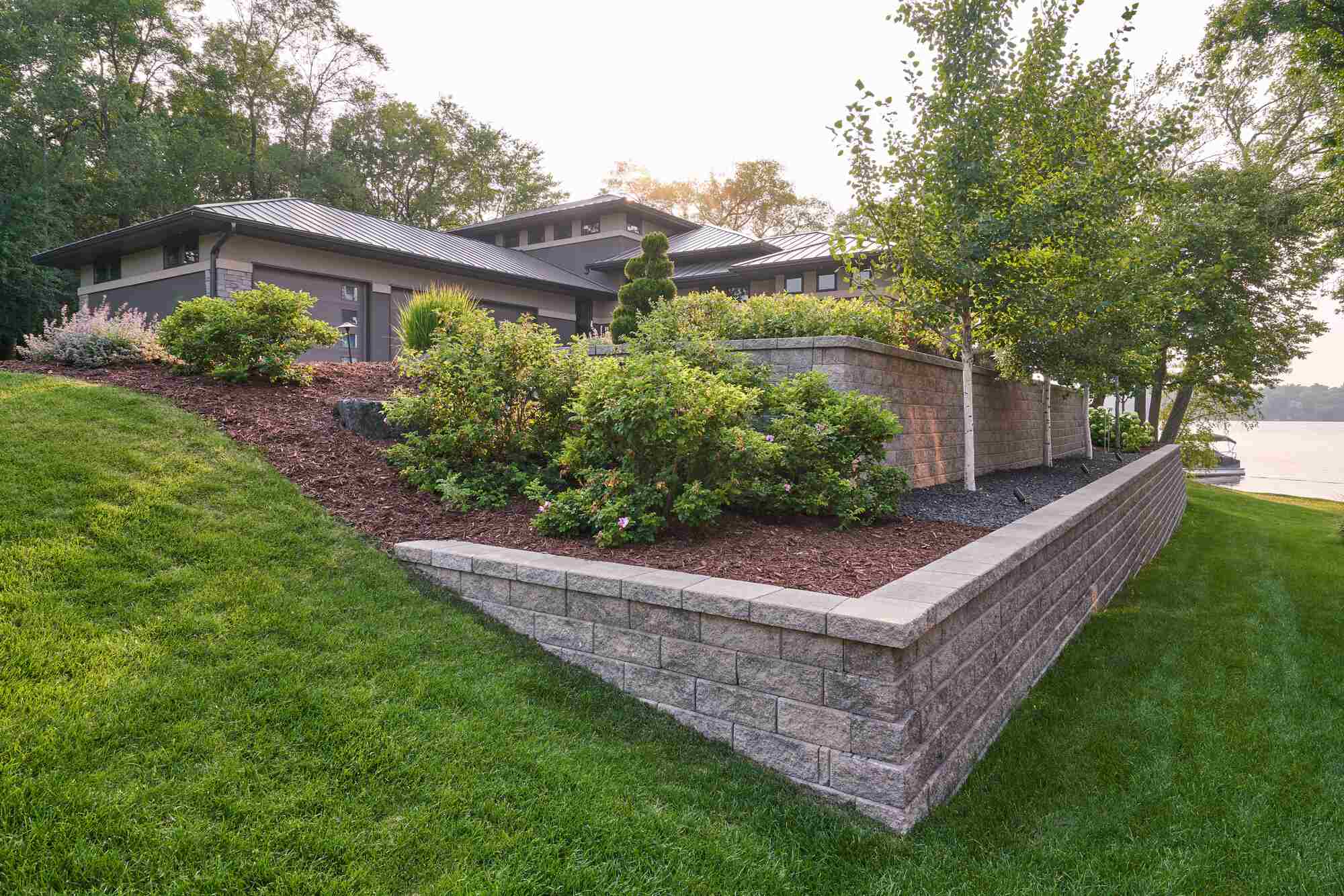
If the city or a buyer's inspector comes looking, they won't just take your word that everything's fine. Mixing decorative landscaping with actual environmental shoreline restoration is one of the fastest ways to waste money. So if that retaining wall you installed isn't paired with proper vegetation, you'd better have a plan to fix it.
Waiting Until It's Obvious Costs More
Trying to ignore a crumbling shoreline until it collapses into the lake? The DNR won't find that clever. Emergency repairs cost exponentially more than proactive landscaping, and they often come with regulatory headaches. Most waterfront owners play it safe by working with certified professionals or bringing in a landscape architect early — and plenty stay compliant by following state guidelines for shoreline management.
Restoration Pays Off Beyond Compliance
Taking on shoreline work isn't the hard part. Doing it right — and proving you did it right when the city checks — that's where property owners get caught off guard. There's no excuse for cutting corners when the benefits are there for the taking. But there's also no forgiveness when you ignore the science and the regulations.
We help Minneapolis waterfront owners do more than meet code. We help them build resilient, beautiful shorelines — with clarity, ecological integrity, and an understanding of what it means for their property value, not just their view. Shoreline landscaping becomes a necessity the moment you realize your land and the lake aren't separate. They're connected, and what you do on one side shows up on the other.
Let's Protect Your Shoreline Together
Our team knows what it takes to keep your Minneapolis shoreline healthy, compliant, and looking its best for years to come. If you're ready to safeguard your property and the lake, let's talk about a plan that works for your land and your lifestyle. Call us at 651-415-1000 or schedule a consultation and take the first step toward a shoreline you can be proud of.
‹ Back
Recent Posts
-

Thinking About Adding a Firepit for Outdoor Evenings?
September 7, 2026
-

Should You Add Landscape Lighting in Minneapolis This Spring?
August 24, 2026
-
Is Your Shoreview Walkway Ready for an Upgrade?
August 10, 2026
-
-
Is Your Roseville Pool Area Ready for a Fresh New Look?
July 13, 2026