

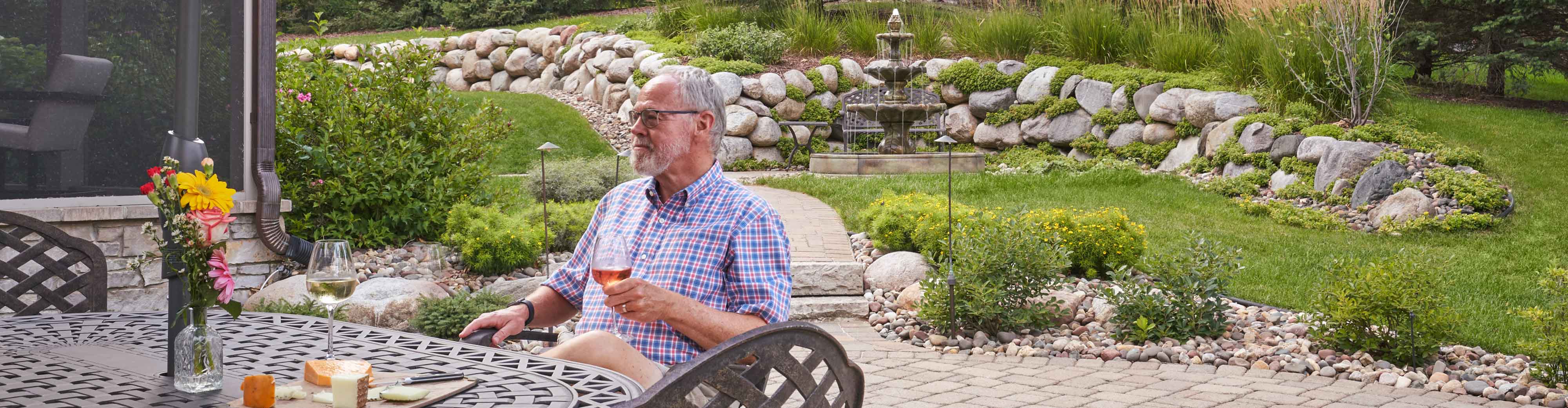
Give Your Shoreview Backyard a Fresh Look With a New Patio
Most Shoreview homeowners think patios are just about having a flat surface. Pour it, forget it. But your backyard deserves more than that — and if you're not thinking through design, drainage, and durability, you're setting yourself up for headaches. Patios may look simple from the outside, but they leave a footprint on your property value. Especially if you're planning to sell or if you actually want to use the space year after year.
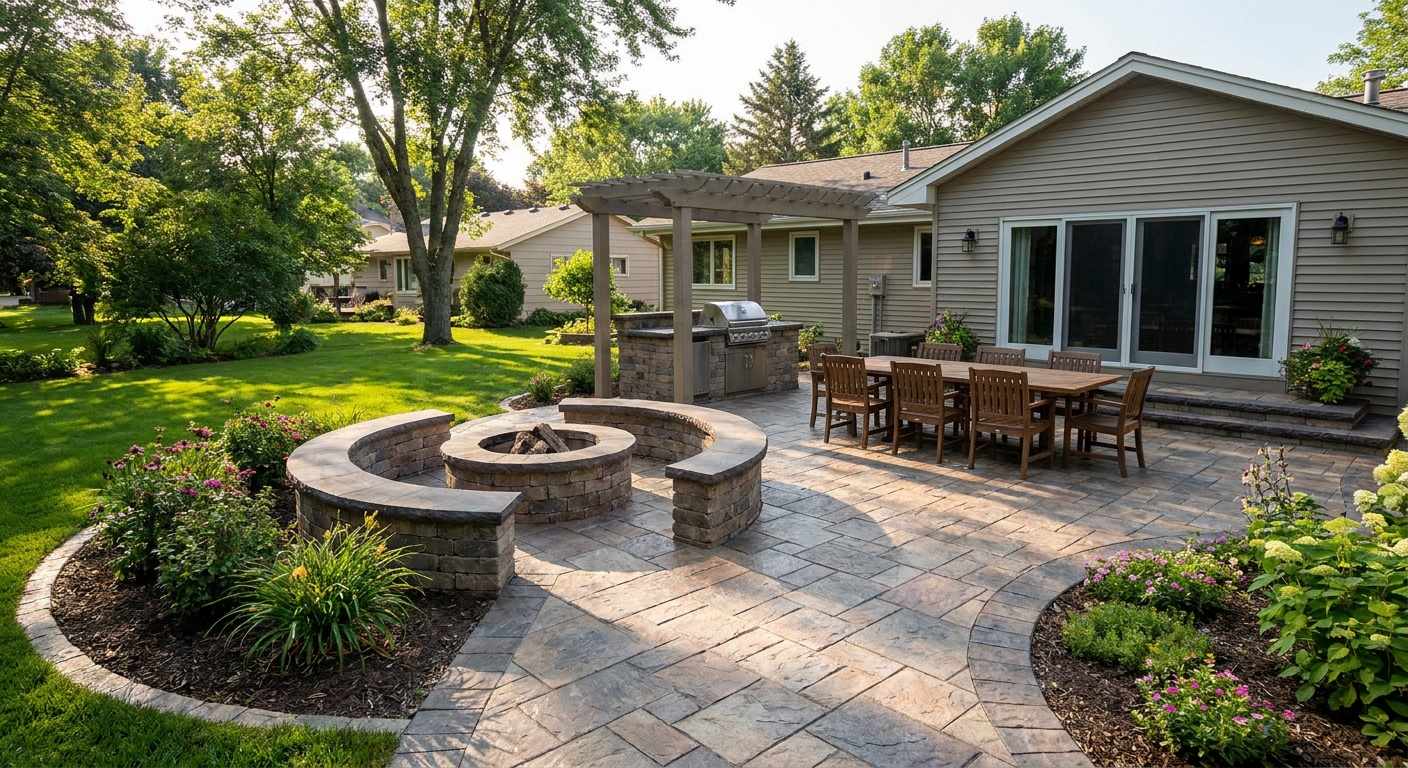
So here's the reality. If you're investing in outdoor living to build something real, that's smart. Just don't treat those pavers or slabs like they'll magically hold up on their own. Every material choice should have a purpose. Every installation step needs proper execution. And every design decision should be grounded in how you'll actually use the space — not just how it looks in a catalog.
When a Patio Adds Value and When It Doesn't
Nine times out of ten, a well-built patio boosts resale appeal. You create usable square footage, you extend your living area outdoors — that's equity, not just curb appeal. Buyers don't care how much you spent, only how functional it is and whether it was done right.
But if that patio starts cracking after two winters? Different story. Poor installation can tank perceived value, especially if the base wasn't prepped or drainage wasn't addressed. We see this play out in real time with DIY projects. Plenty of homeowners thought leveling gravel was a guarantee — it wasn't. And when settling gets flagged during inspection, buyers expect to see it reflected in your asking price unless you've got receipts proving professional residential landscaping work.
The Materials Worth Your Money
You can't skimp on the foundation and expect the surface to hold — that's just wishful thinking. But the materials you choose on top? That's where smart spending pays off. Quality options generally give you decades of use when paired with proper site prep.
Here's where that matters most:
- Concrete pavers: Durable, replaceable if one cracks, and they handle freeze-thaw cycles better than poured slabs.
- Natural stone: Beautiful and unique, but you'll pay more upfront and need to seal it regularly to prevent staining.
- Porcelain tile: Low maintenance and resistant to moisture, though installation requires precision to avoid lippage.
- Stamped concrete: Mimics higher-end materials at a lower cost, but resurfacing can be tricky if it chips or fades.
- Brick: Classic look with solid longevity, though weeds can creep through joints if you don't use polymeric sand.
Where Drainage Becomes Everything
Want your patio to last more than five years? You'll need to prove water has somewhere to go — and that means grading away from your foundation.
Installers who know what they're doing check three things:
- The slope is at least 2% away from the house
- The base layer is compacted properly, not just eyeballed
- There's a plan for runoff, whether that's a drain, gravel trench, or natural grade
Miss one of those, and the whole project starts sinking or pooling. Even if the pavers themselves are top-tier. And if any water runs toward your basement? That's not just a patio problem anymore. No amount of sealant fixes poor grading after the fact.
Design Choices That Actually Matter
Size and shape aren't just about aesthetics. They dictate how you'll move through the space, where furniture fits, and whether the patio feels cramped or usable. A twelve-by-twelve square might look tidy on paper, but it won't hold a table, chairs, and a grill without feeling like a jigsaw puzzle.
Most functional patios start at two hundred square feet minimum — enough for a dining set and breathing room. If you're adding a fire feature or built-in seating, plan for even more. And don't forget clearance around the perimeter. You need space to pull out chairs, walk behind guests, and access other parts of your yard without stepping into mulch beds.
Your Patio Is Only As Good As Its Base
Want longevity? Show your work underground. You'll need more than a few inches of sand to keep things stable.
Here's what a solid foundation includes:
- Excavation to the right depth, usually six to eight inches depending on soil type
- Compacted gravel base, laid in lifts and tamped between layers
- Leveling sand or screenings for the final bed
- Edge restraint to prevent pavers from shifting outward over time
If the installer skips any of these steps, you won't notice right away. But two winters in, when sections start dipping or spreading, you'll wish someone had done it right the first time. Mixing shortcuts with premium materials is one of the fastest ways to waste money.
Where Most Homeowners Go Wrong
Thinking Any Flat Spot Will Do
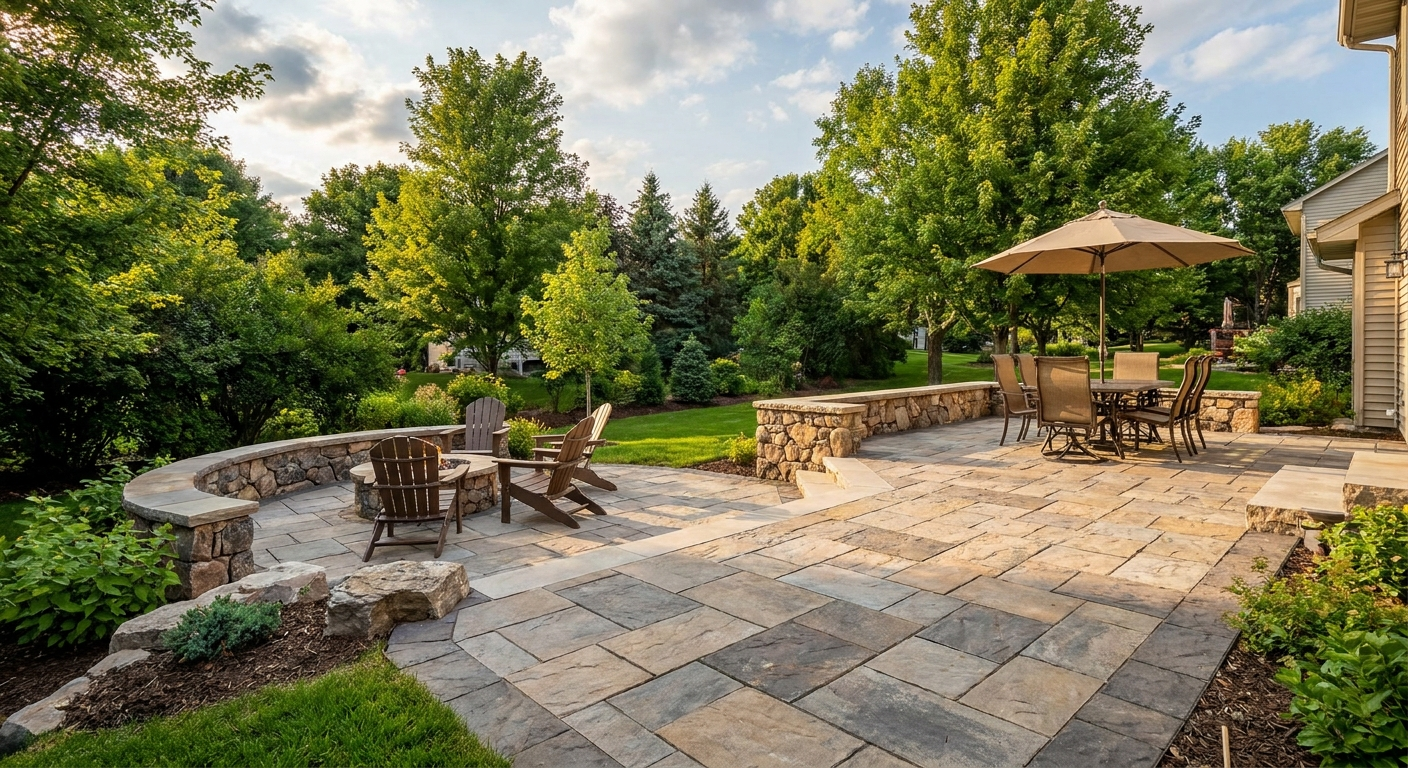
Picking a location just because it's open? Shoreview's clay-heavy soil and seasonal freeze cycles won't find that clever. Poor site selection can cost you in drainage fixes or even foundation issues. Most homeowners play it safe by consulting a pro early — and plenty stay on track by avoiding the common mistakes that lead to expensive do-overs.
Skipping the Permit Check
Don't assume your patio is too small to need approval. Shoreview has setback rules and sometimes requires permits depending on size and proximity to property lines. If you skip this step, you risk fines or being forced to remove the work. A quick call to the city saves headaches later.
Ignoring Minnesota Winters
If you're using materials that can't handle freeze-thaw action, expect cracks and heaving. Cheap concrete, improperly sealed stone, or thin pavers won't survive long-term. Reference local building standards and don't guess. That's what experienced landscape architecture contractors are for.
Bringing In the Right Help
If your project involves multiple materials, grading challenges, or anything structural, you're in territory where DIY gets risky. A qualified installer helps you identify which base depth works for your soil, apply slope calculations correctly, separate aesthetic goals from engineering needs, handle permit paperwork, and keep your investment protected long-term.
It's not just about getting it done this season. It's about setting up a space that stays level, drains properly, and holds up through Minnesota weather for the long haul. When you choose the right team and the right approach, your Shoreview backyard becomes the kind of space that actually gets used — not just admired from the window. Working with professionals who understand patios and walkways ensures your project follows best practices from excavation to final installation, and collaborating with the experienced staff at a trusted firm helps you navigate material selection, permitting, and design decisions with confidence.
Outdoor Living With a Solid Foundation
Building a patio isn't the hard part. Building one that lasts — and defending your investment when the ground shifts or water pools — that's where homeowners get caught off guard. There's no excuse for cutting corners when the materials and methods are proven. But there's also no forgiveness when you blow past the basics and hope for the best. Your backyard deserves better than that.
Ready to Transform Your Shoreview Patio?
Let's create an outdoor space that truly works for your lifestyle and stands up to Minnesota's toughest seasons. We believe every Shoreview homeowner deserves a patio that's both beautiful and built to last. If you're ready to get started or just want expert advice, give us a call at 651-415-1000. When you're ready to take the next step, schedule a consultation and let’s bring your backyard vision to life together.
‹ Back
Recent Posts
-
Give Your Shoreview Backyard a Fresh Look With a New Patio
November 23, 2026
-
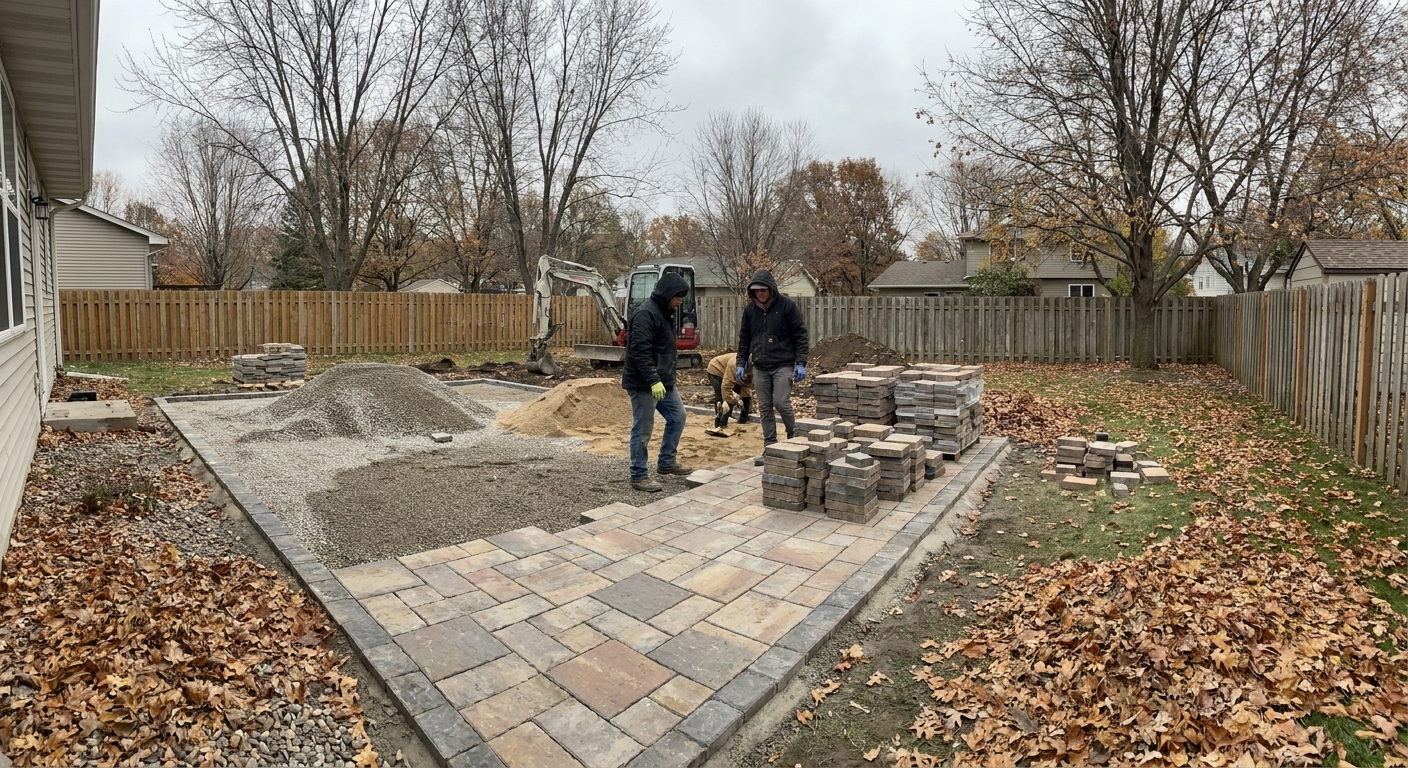
Is It Too Late to Install a Paver Patio in Shoreview?
November 9, 2026
-
Thinking About Adding a Firepit for Outdoor Evenings?
September 7, 2026
-
Should You Add Landscape Lighting in Minneapolis This Spring?
August 24, 2026
-
Is Your Shoreview Walkway Ready for an Upgrade?
August 10, 2026