
Is Summer a Good Time to Install a Patio in the Twin Cities?
Most homeowners in the Twin Cities think patio installation is just about picking materials and calling a contractor. Ground goes flat, stones go down, chairs go on top. But the timeline you choose leaves a bigger mark on cost, quality, and how soon you'll actually use the thing. Summer sounds obvious — warm weather, dry ground — but if you don't account for demand spikes and heat challenges, you're setting yourself up for delays or sloppy work.
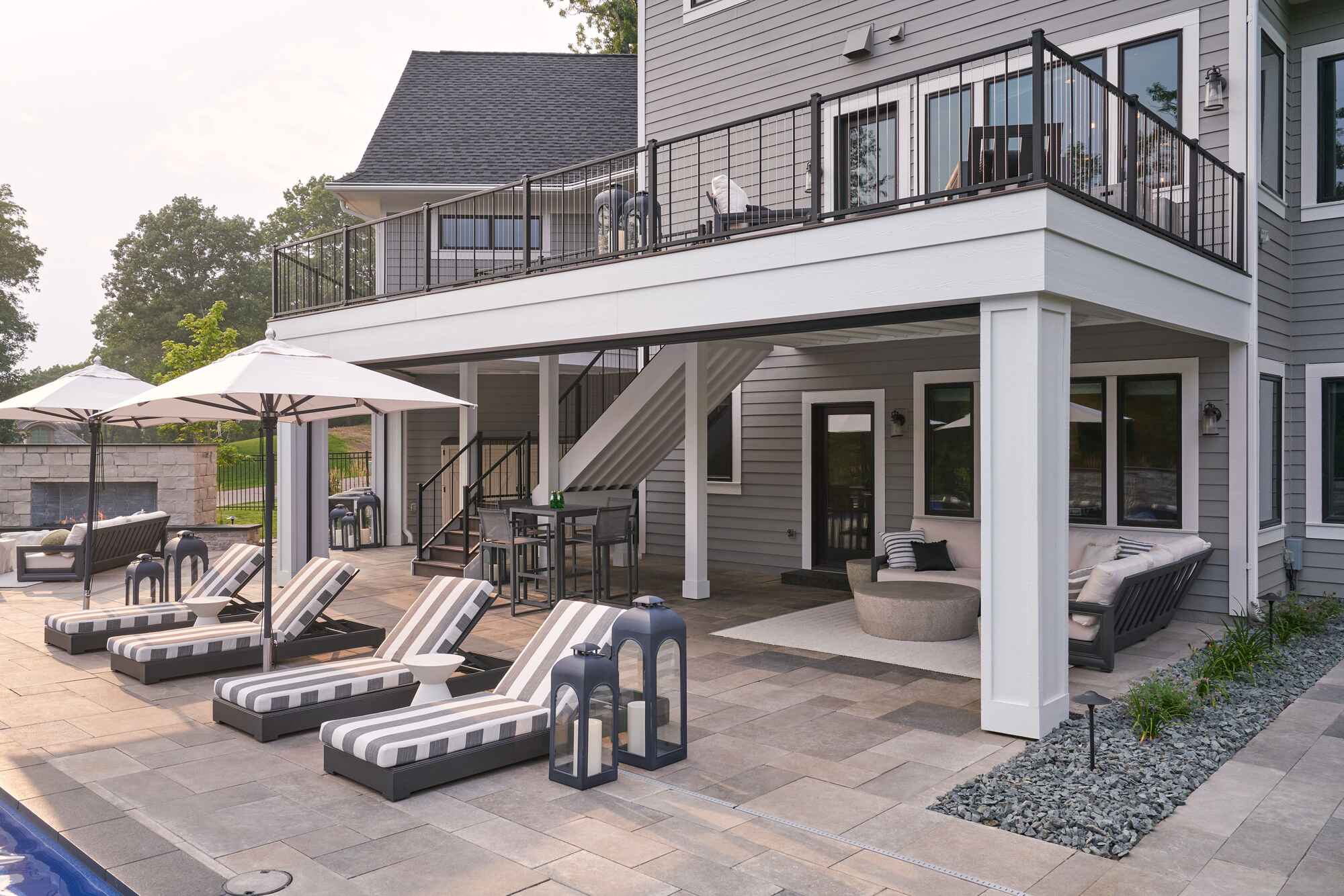
So here's what matters. If you're building outdoor space that'll actually get used, timing isn't just convenient. It shapes everything from how the base settles to whether your contractor shows up on schedule. Every season has trade-offs. Every material behaves differently under pressure. And every decision should be based on what the weather does to your install — not just what looks good on a calendar.
The Ground Cooperates When It's Warm
Most of the year, Twin Cities soil either fights you or disappears under snow. Summer changes that. The frost is gone, the mud has dried, and excavation doesn't turn into a swamp every time equipment rolls through. That's real leverage when you're digging footers, leveling base layers, or compacting gravel.
Contractors move faster when they're not battling frozen clumps or waiting three days for drainage. Materials cure the way they're supposed to. Pavers lock in without shifting. Concrete sets cleanly if the timing's right. You're not gambling on weather windows — you've got weeks of predictable conditions to work with.
Demand Piles Up and Prices Follow
Everyone wants outdoor work done in summer. That's not news — it's the bottleneck. Contractors book up fast, and the good ones fill their schedules before Memorial Day even hits. If you're reaching out in July, expect to wait. Or pay a premium. Or settle for whoever's still answering the phone.
Crew availability thins out when demand peaks. Projects take longer because teams are stretched across multiple sites. And if the contractor you want is booked solid, you're either postponing or rolling the dice on someone less proven. That's the cost of waiting until the season's already hot.
Heat Slows Things Down More Than You'd Think
Twin Cities summers don't mess around. Ninety-degree days with humidity thick enough to chew — that's standard from June through August. Workers need breaks. Concrete needs careful handling or it cures too fast and cracks. Polymeric sand won't set right if it's baking under direct sun all afternoon.
Some materials just don't perform well in extreme heat. Adhesives fail. Sealers streak. Even experienced crews have to adjust their workflows to avoid mistakes. That means longer install times and more room for error if the contractor isn't managing conditions closely.
The Work Gets Done Right When Conditions Align
Summer installation works best when you stack the odds in your favor. That means lining up the right contractor early, choosing materials that handle Minnesota's extremes, and planning around the weather instead of hoping it cooperates.
Here's what separates clean installs from problem jobs:
- Book your contractor in late winter or early spring before schedules fill
- Choose pavers or reinforced concrete rated for freeze-thaw cycles
- Confirm proper grading and drainage before any base material goes down
- Schedule work for cooler parts of the day when heat won't compromise materials
- Verify permit requirements with your city before breaking ground
Immediate Use Matters If You're Not Waiting a Year
Install in summer and you're using that patio the same season. Grill goes out, chairs get set up, and you're hosting before fall hits. Wait until September and you might get a few weeks before frost shuts everything down. Spring's even worse — muddy, unpredictable, and half your summer's gone before the space is usable.
That's the real value calculation. Summer installs let you capture the full season. You're not paying for something you'll stare at through a window for six months. You're building it, using it, and proving the investment was worth it before snow flies.
Drainage and Base Work Make or Break Longevity
Most patio failures don't start with bad materials. They start with bad prep. If the base isn't compacted right or drainage slopes the wrong way, you're looking at sinking pavers, pooling water, and frost heave damage within two winters.
Summer gives contractors the best shot at doing this work correctly. Dry ground compacts evenly. Gravel layers settle without shifting. Drainage lines can be tested before final surfaces go down. Miss those steps and you're rebuilding in three years instead of enjoying what you built.
What You Need Before the First Shovel Hits Dirt
Want a smooth install? Show up prepared. Contractors move faster when they're not waiting on decisions or digging up answers mid-project.
Here's your checklist before work starts:
- Finalized design with measurements and material specs
- Permits pulled and approved by your municipality
- Utility lines marked so no one hits gas or electric
- Access cleared for equipment and material delivery
- Contingency budget for unforeseen site issues
Where Homeowners Get Tripped Up
Thinking summer guarantees smooth sailing is mistake number one. Weather's only part of the equation. Landscape architecture, material choice, and site prep all matter just as much — and summer doesn't fix bad decisions in those areas.
Plenty of homeowners skip drainage planning because the ground looks fine in July. Then October rains hit and water's pooling against the house. Others cheap out on base material to save a few hundred bucks, then spend thousands fixing sunken pavers two years later. And almost everyone underestimates how long good contractors stay booked, leading to rushed choices or frustrating delays.
Landscaping Takes a Hit in Peak Heat
If your patio project includes new plantings or sod, summer heat complicates things. New roots struggle in ninety-degree temps. Sod needs constant watering or it browns out before it even takes hold. Mulch dries out faster than you can replace moisture.
Some homeowners split the work — patio in summer, landscaping in fall when temps drop and plants have better odds. That's not a compromise. It's smart sequencing that saves money and stress.
What the Right Contractor Brings to the Table
A good contractor doesn't just lay stone. They manage weather, schedule around heat, source materials that fit Minnesota's climate, and troubleshoot drainage before it becomes your problem.
Here's what separates pros from pretenders:
- Clear timeline with weather contingency built in
- Proof of licensing and insurance specific to hardscaping
- References from recent local projects you can actually visit
- Willingness to explain base prep and drainage in detail
- Material sourcing that accounts for freeze-thaw performance
When to Lock In Your Timeline
If you want summer installation, start planning in February. Research contractors, gather quotes, finalize designs, and get on the schedule before demand explodes. Waiting until May means you're competing with everyone else who just decided they want a patio.
Early commitment also gives you leverage. Contractors appreciate clients who plan ahead, and you're more likely to get flexible scheduling or pricing breaks when you're not booking during the peak crush.
The Real Cost of Poor Timing
Miss the window and you're either paying more or waiting until next year. Fall installs can work, but cooler temps shrink the number of ideal working days. Spring's a mud pit half the time. Winter's not even on the table.
Summer gives you the longest runway and the most predictable conditions. Waste that and you're gambling on weather, availability, and whether shortcuts get taken to meet a tight deadline.
Materials That Stand Up to What's Coming
Minnesota doesn't go easy on outdoor surfaces. Freeze-thaw cycles crack weak concrete. Cheap pavers shift and sink. Poor-quality base turns into a swamp every spring.
Smart material choices pay off for years:
- Concrete pavers with at least 8,000 PSI rating
- Natural stone that handles moisture without flaking
- Polymeric sand that locks joints without washing out
- Geotextile fabric under base layers to prevent shifting
- Proper edge restraint to keep borders from creeping
Getting the Most Out of the Build Season
Summer's your best shot at quality work and immediate payoff. Ground's workable, materials cure right, and you're using the space before leaves start falling. But only if you plan early, pick the right team, and don't cut corners on the parts that matter.
Patios aren't just about adding square footage. They're about creating space that holds up through Minnesota winters and delivers value every summer after. Summer installation gives you the cleanest path to that result — as long as you're not winging it when the calendar hits June. For inspiration, explore our residential featured projects that showcase patios and walkways designed for Minnesota's demanding climate. Whether you're planning a backyard getaway or need expert help with residential landscaping, working with experienced professionals ensures your outdoor space delivers lasting value season after season.
Let's Build Your Patio the Right Way
We know how important it is to get your patio project started at the perfect time, with the right team and materials that stand up to Minnesota's toughest seasons. If you're ready to make the most of summer and enjoy your new outdoor space without the headaches, let's talk about your vision and how we can bring it to life. Give us a call at 651-415-1000 or schedule a consultation to get started on a patio that’s built to last and ready for every gathering this season.
‹ Back
Recent Posts
-
Is Your Shoreview Walkway Ready for an Upgrade?
August 10, 2026
-
-
Is Your Roseville Pool Area Ready for a Fresh New Look?
July 13, 2026
-
-